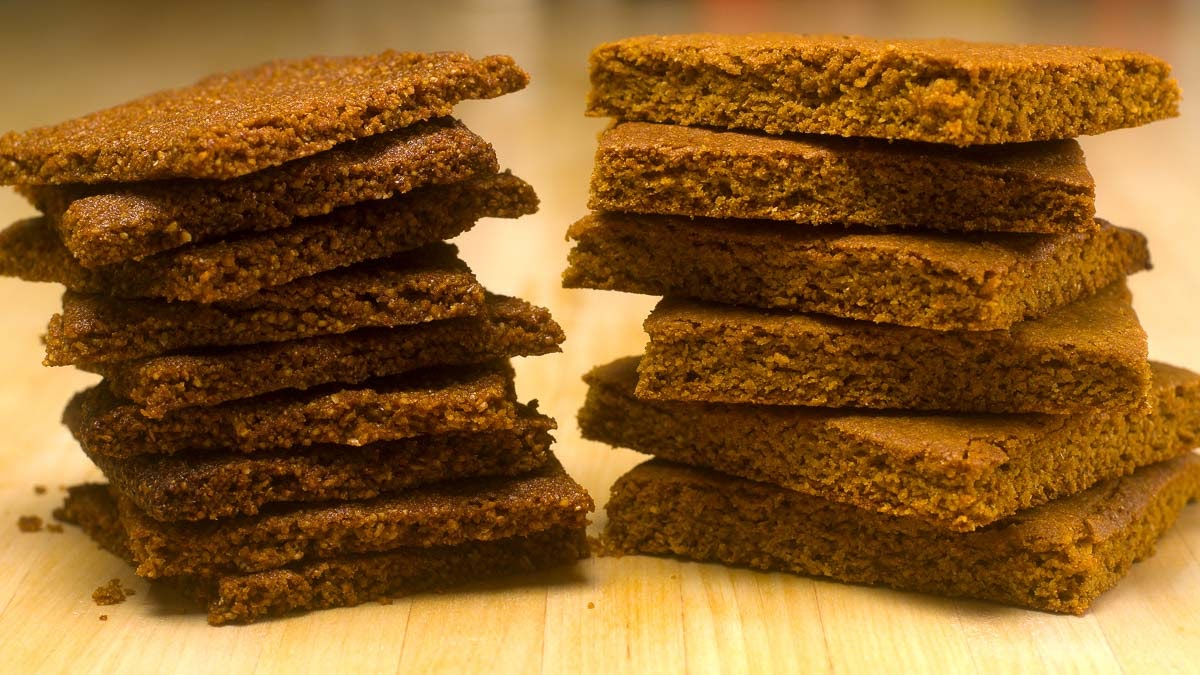
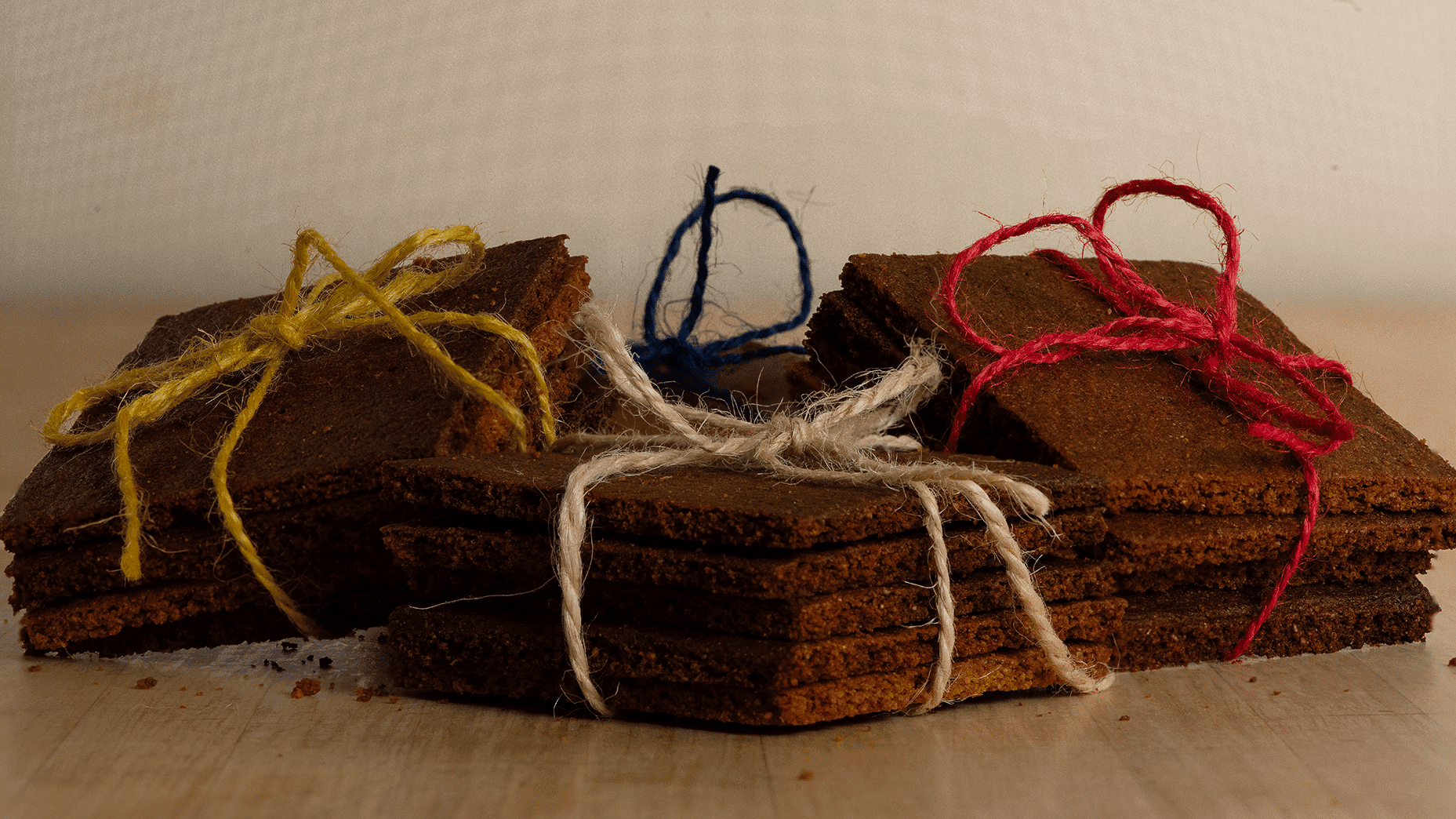
These crackers are perfect for cheesecake crusts, graham cracker crusts, s’mores, or just to have as a snack (excellent with cream cheese).
Homemade graham crackers have a delightful flavor from the molasses or honey — and a unique texture when made with graham flour, but you can make them from whole wheat flour, too.
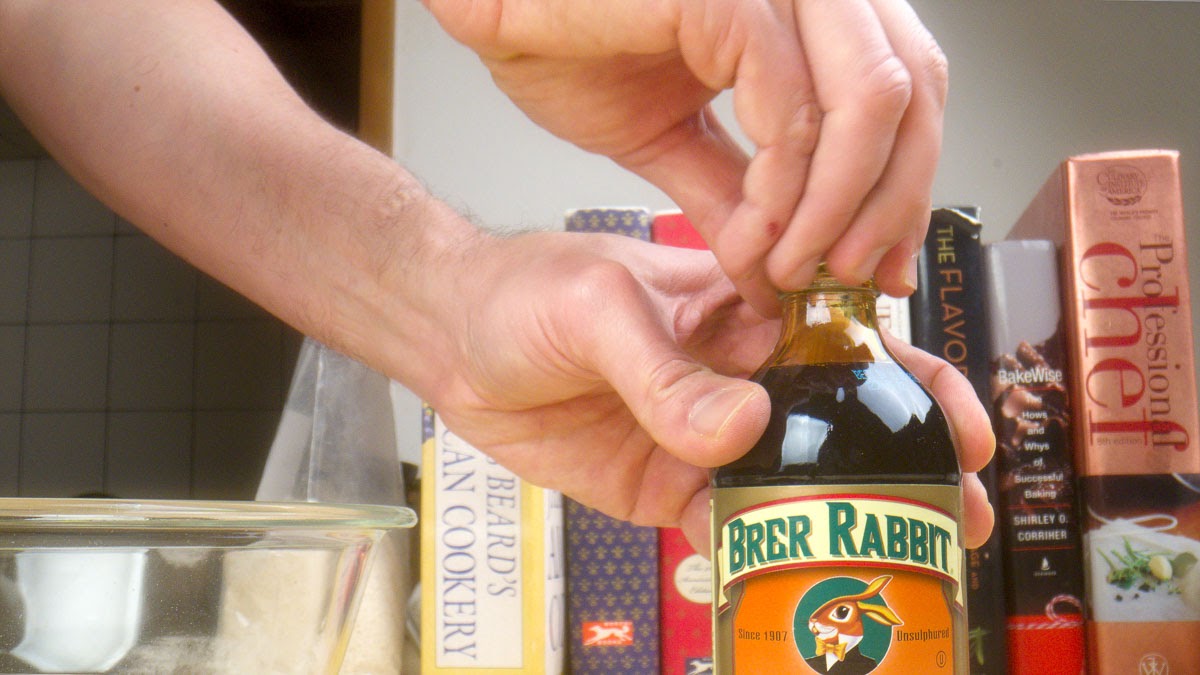
You can use honey or molasses, but molasses has an amazing taste.
Recipe
240 grams/2 cups graham or whole wheat flour
53 grams/½ cup AP (white) flour
53 grams/½ cup brown or dark brown sugar
1 tsp baking powder
½ tsp baking soda
¼ tsp salt
⅛ tsp cinnamon
85 grams of butter
60 grams molasses or honey up to
40 grams of milk (you can substitute 1 tbs of milk for 1 tbs of vanilla)
Directions
Mix all the dry ingredients together.
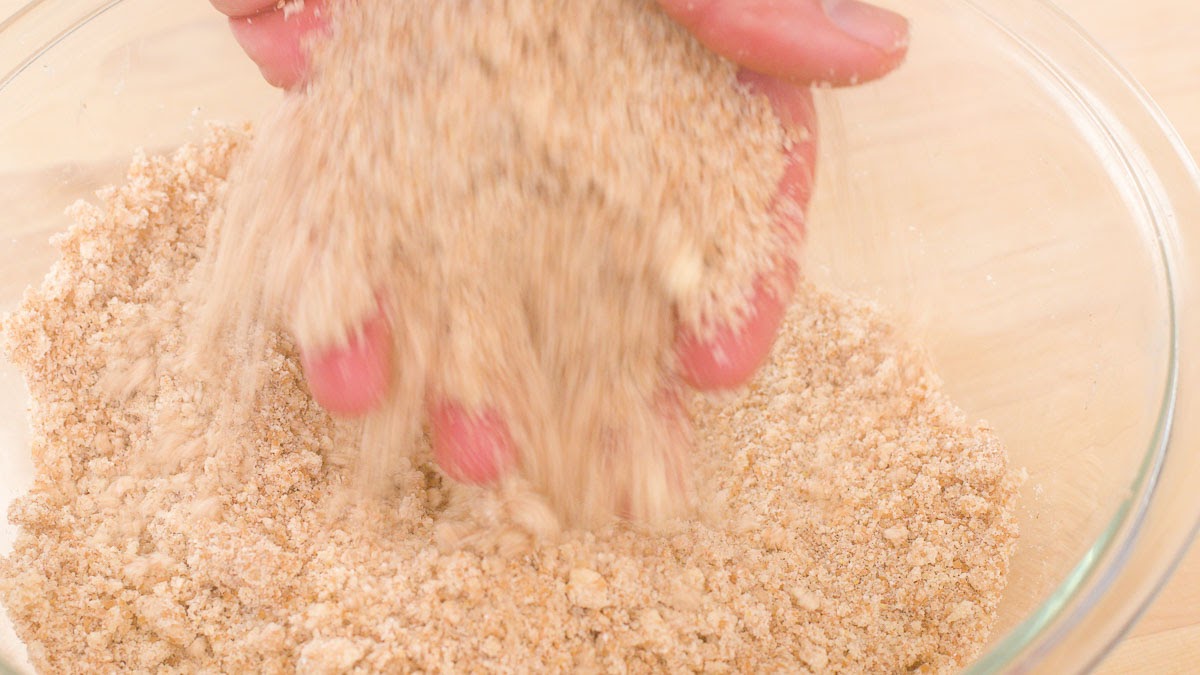
Cut in the butter until it is the texture of sand.
Add in the molasses or honey plus the liquid.
Stir until well combined.
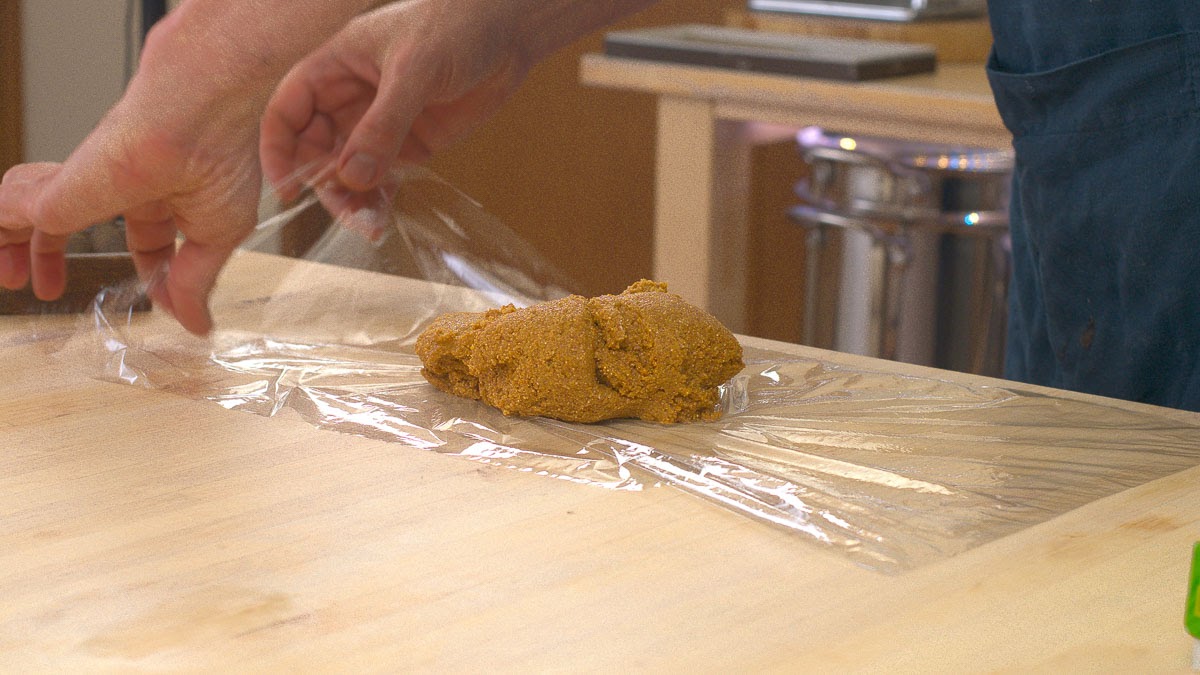
Refrigerate for at least 30 minutes to hydrate the flours.
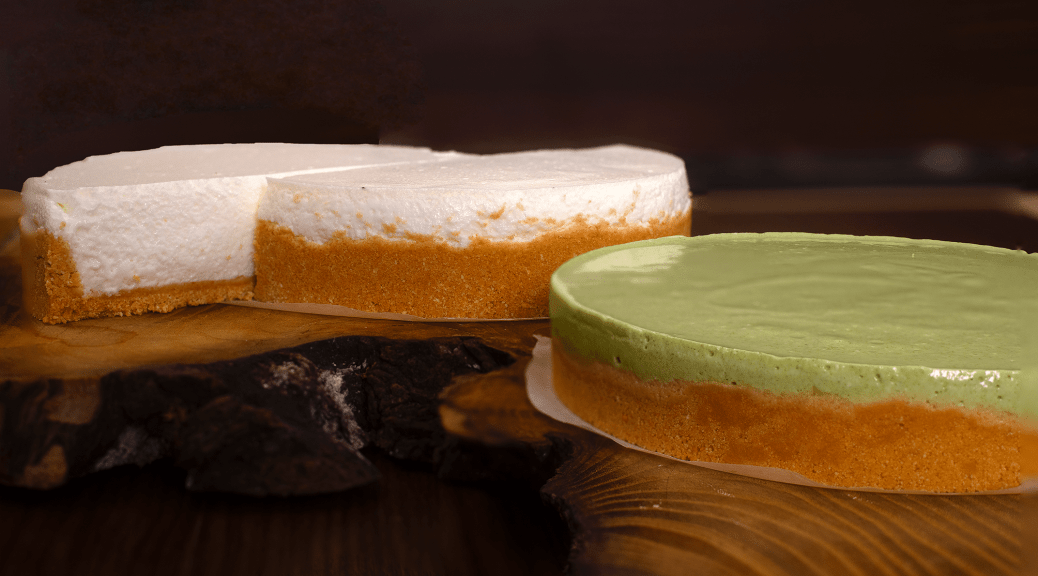
Japanese Rare Cheesecake sets the cake with gelatin and adds yogurt for a refreshing tartness.
Running a food YouTube channel, I eat more than should that’s why I started playing around with this classic Japanese cheesecake.
My original video featured three different cheesecakes but ran too long, so I’ve cut them — and this blog post — into three different recipes. Today, the original Japanese Rare Cheesecake with an optional modification to bring the calories way, way down.
Ingredients
250 grams Cream Cheese or Greek Yogurt
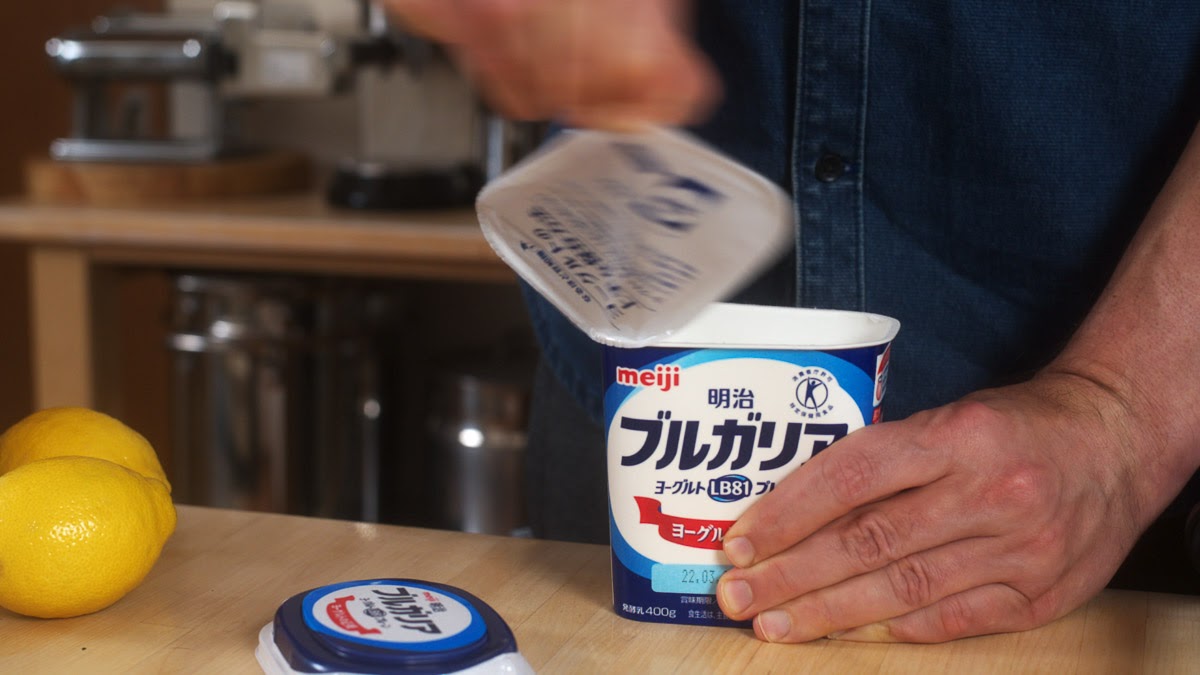
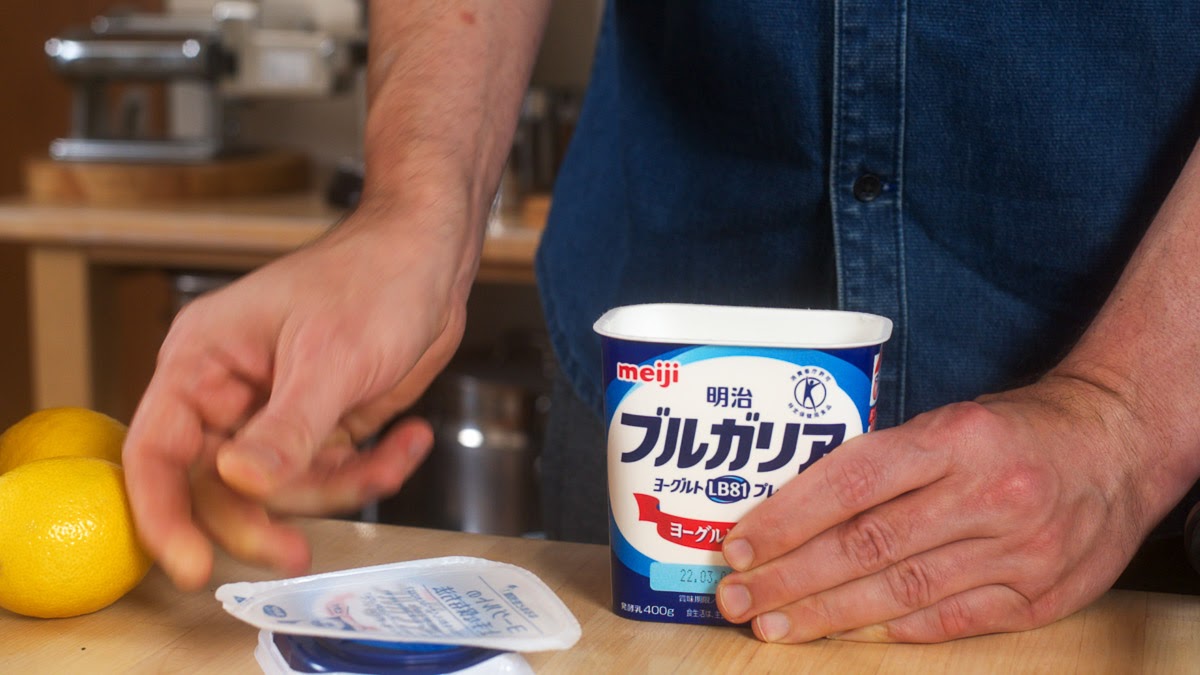
250 grams regular yogurt
5 grams of gelatin
3 tablespoons of water
60 – 80 grams of sugar (or sugar replacement)
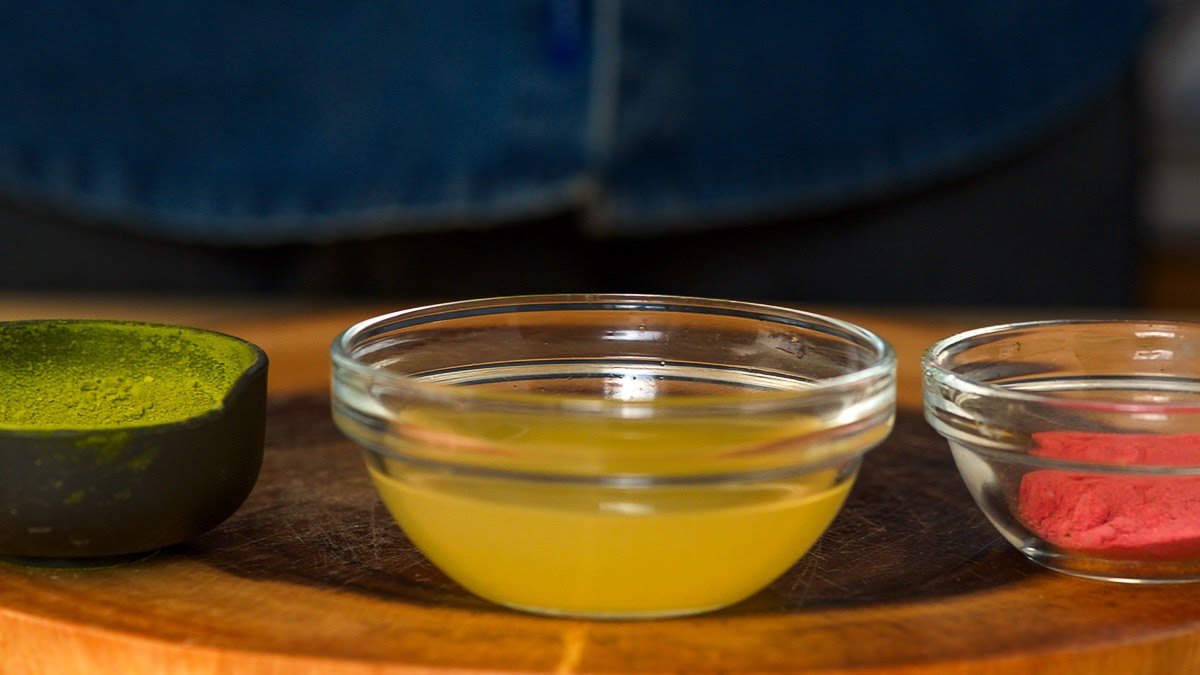
Flavorings (chose one)
Matcha powder 1- 3 teaspoons
Lemon Juice – 2-3 tablespoons
Freeze dried strawberry powder 2 – 3 teaspoons
150 grams whipped cream or whipped milk (optional) (recipe follows)
Common flavors are matcha, lemon juice, and strawberry powder.
Directions
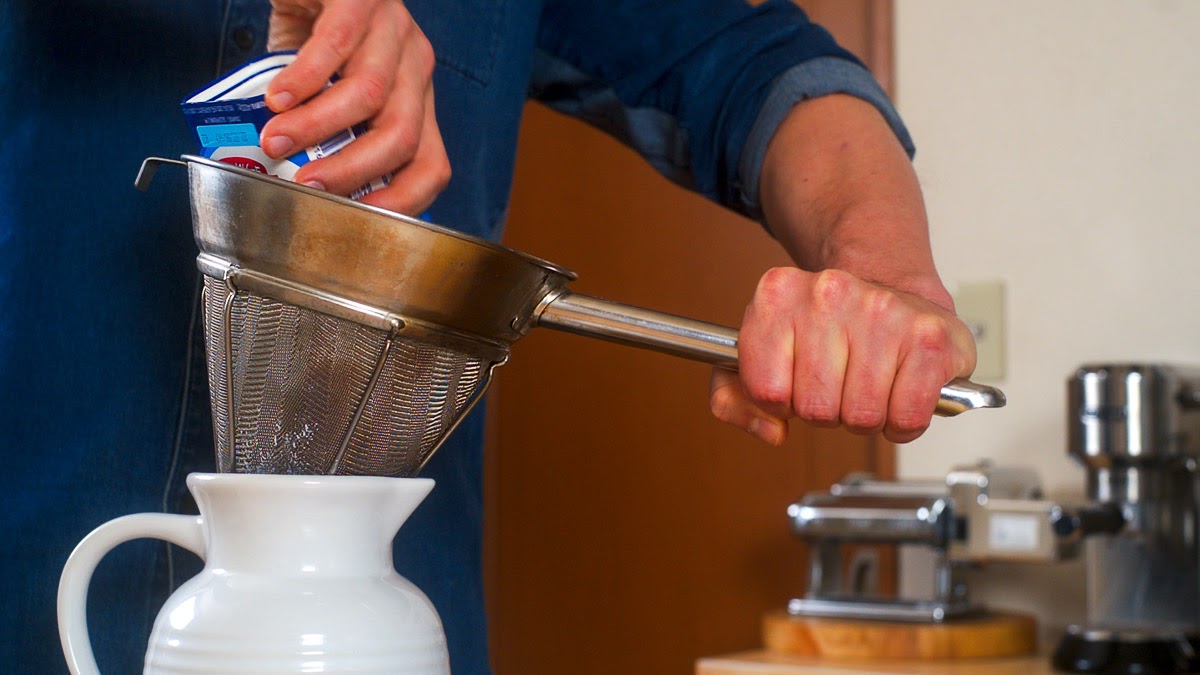
Drain regular yogurt overnight in a strainer to make the Greek Yogurt or use regular cream cheese.
Greek Yogurt is simply regular yogurt without most of the whey.
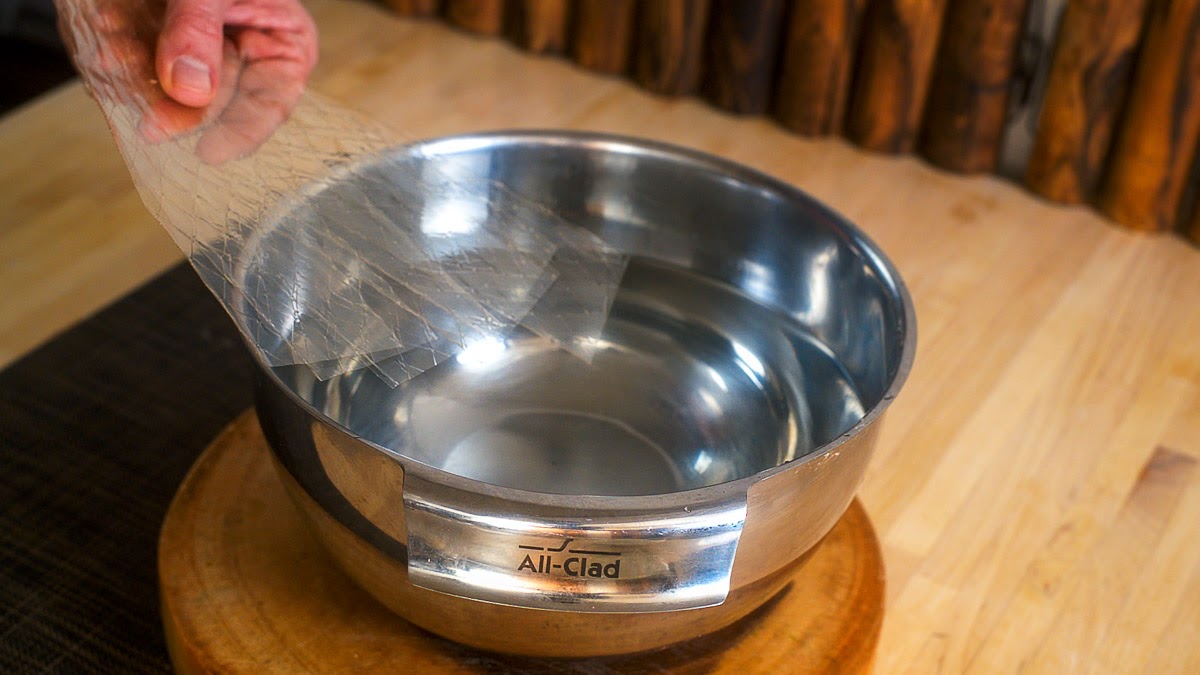
Bloom the gelatin in the water (at least five minutes).
Blooming rehydrates the gelatin.
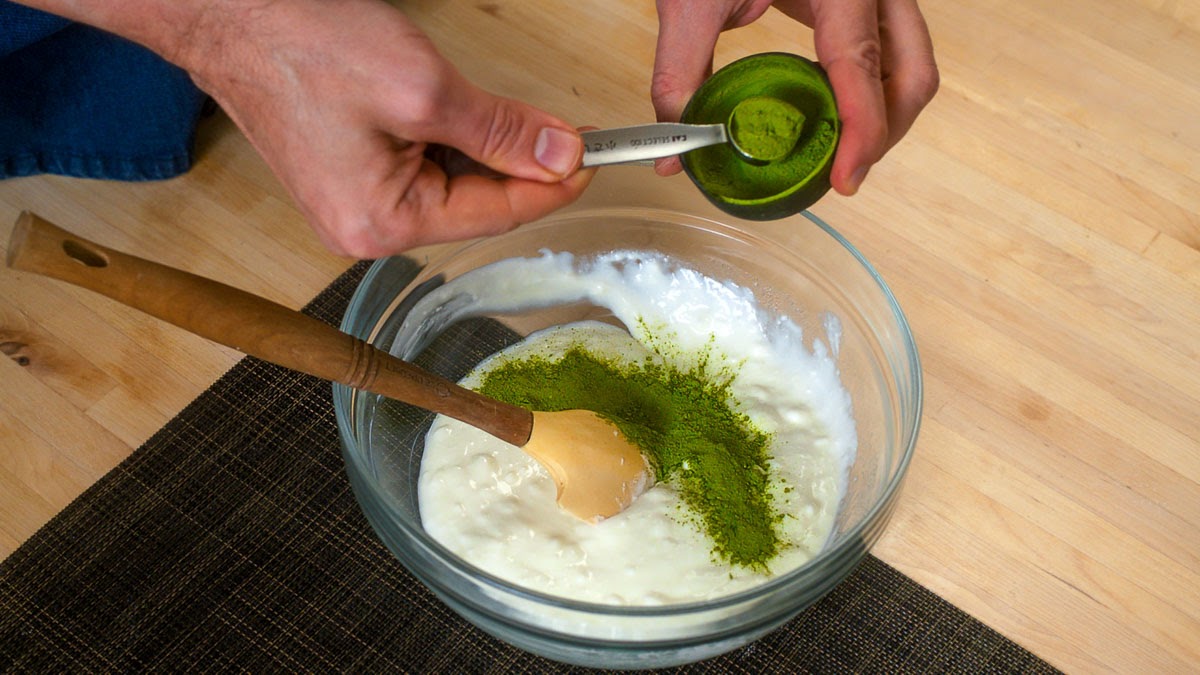
Combine the Greek Yogurt/Cream cheese with the yogurt, sugar, and flavoring and mix to combine.
If the mixture is lumpy, strain it thought a mesh sieve into a new bowl.
Melt the gelatin in the water by placing it in the microwave or in a double boiler.
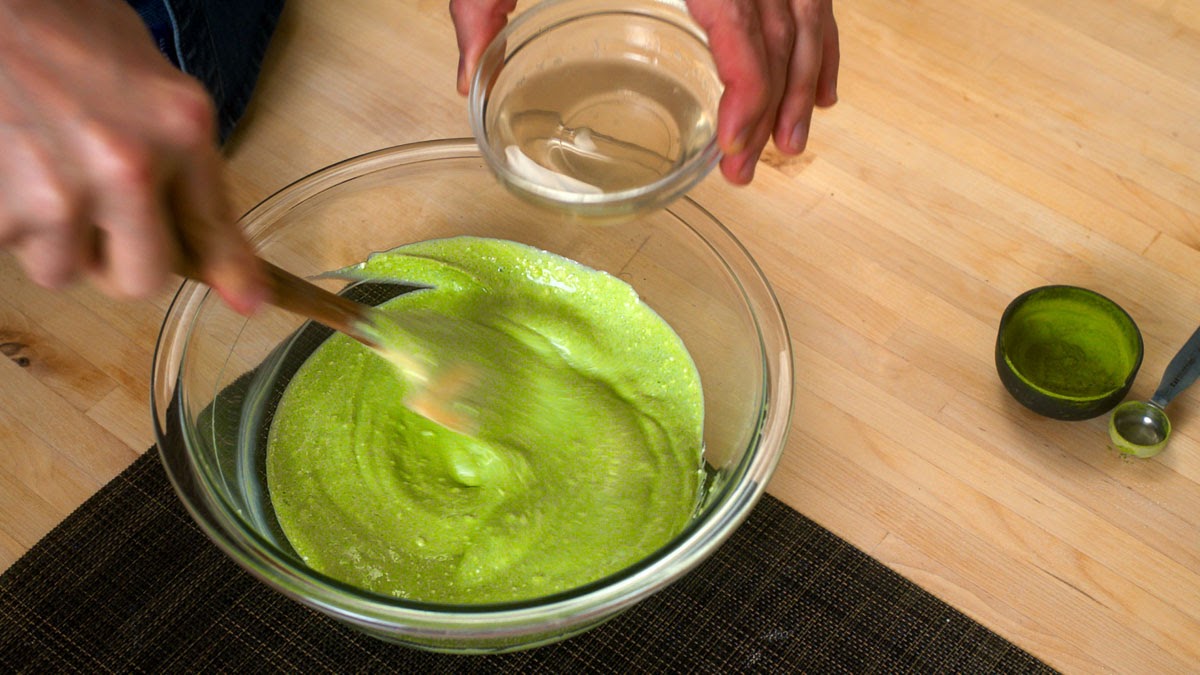
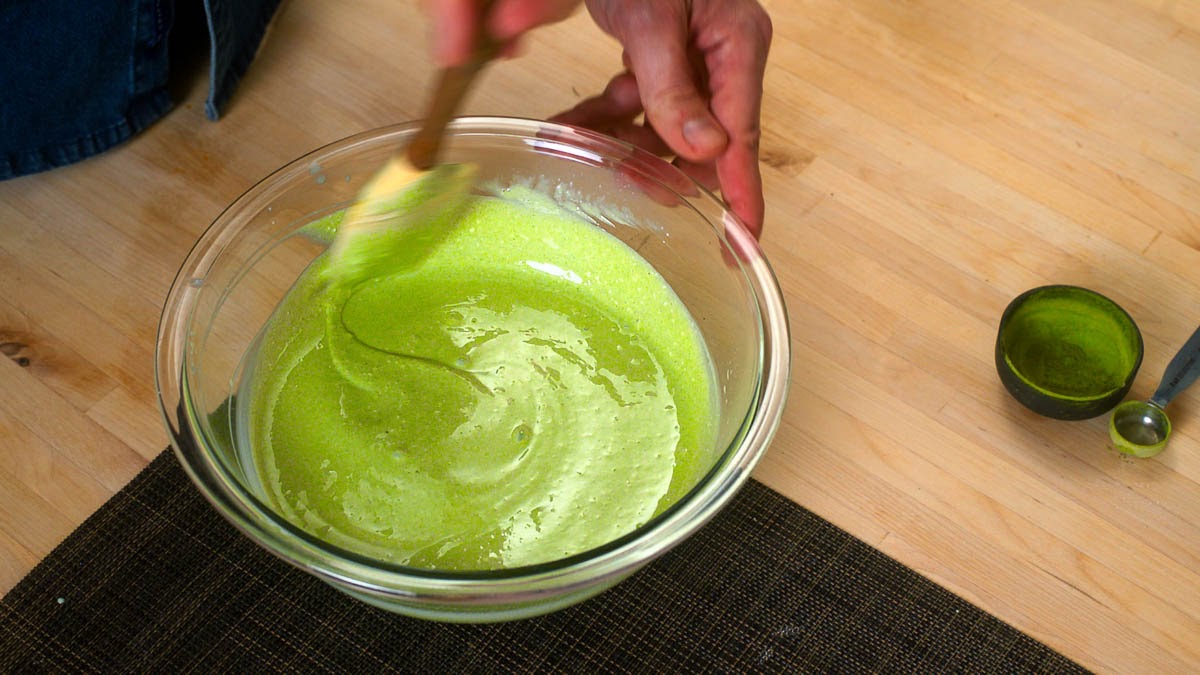
Add the melted gelatin to the Cream Cheese/Greek Yogurt mixture.
Add the optional whipped cream or whipped milk, if using.
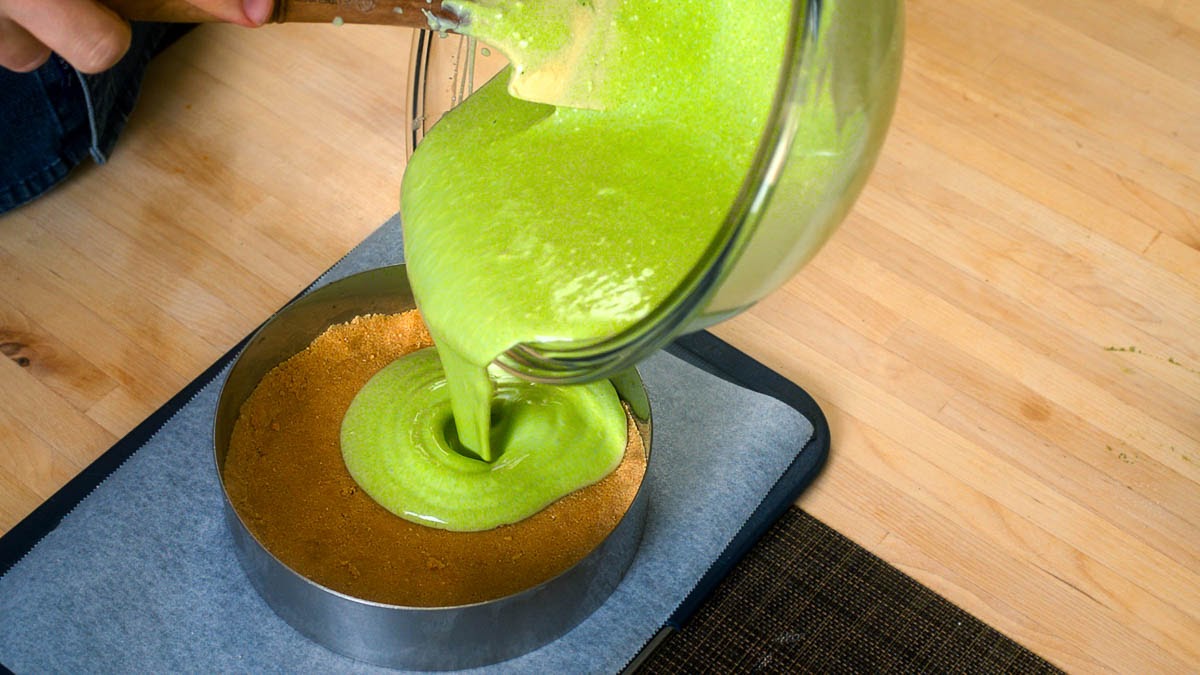
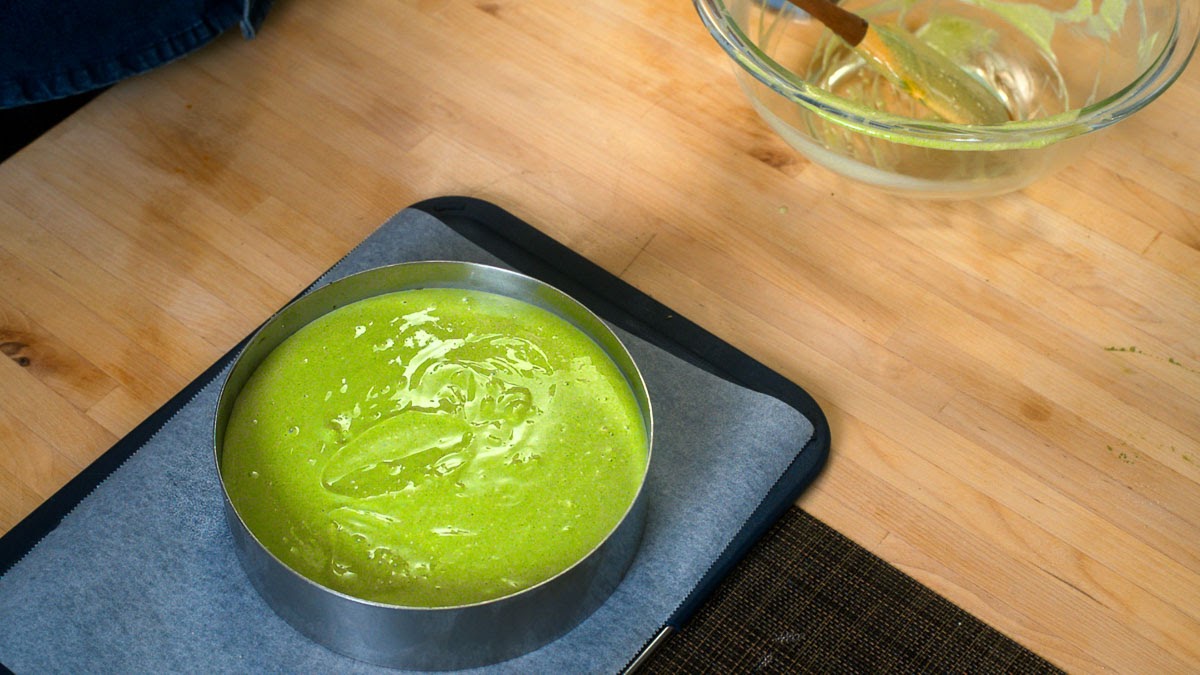
Pour into pie shell, graham cracker crust, or other serving vessel.
Chill at least six hours to over night.
Whipped Milk is an under appreciated way to add lift to desserts without all the calories. It’s a blank canvas onto which you can add different flavors that are incorporated into your desserts.
Ingredients
300ml (1 ¼ cups whole milk)
5 grams gelatin
2 tablespoons sugar (optional)
Any flavoring you like (optional)
Directions
Bloom the gelatin in the ¼ cup milk.
Melt the gelatin and let cool.
Put the one cup of cold milk in a bowl and place that bowl over ice.
Add the sugar and any flavorings, if you are using.
Add the gelatin and stir to cool the mixture.
Start to beat the mixture with an electric beater until soft peaks form. This will take about 10 minutes at medium speed.
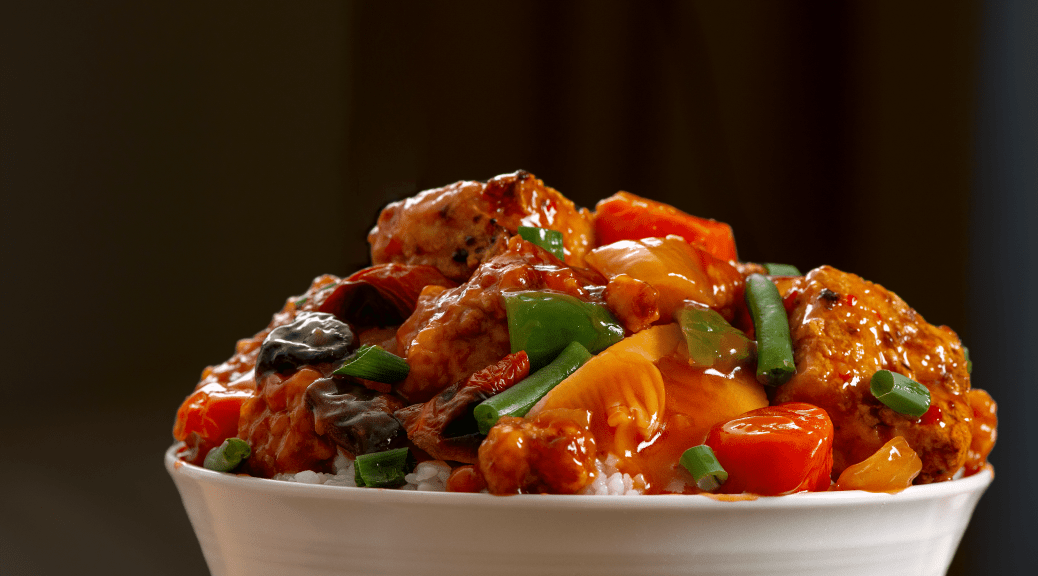
Think of the tofu as a mince that you add diced vegetables to, coat with a batter and fry or bake. Dip those into any sauce you like (here, Sweet & Sour) and you have a low fat, high-protein meal that freezes well.
There are three steps:
Prepare the tofu
Prepare a sauce
Combine
Ingredients
For the Meat-less Balls
2 packages of extra firm or firm tofu
½ – 1 cup of minced vegetables
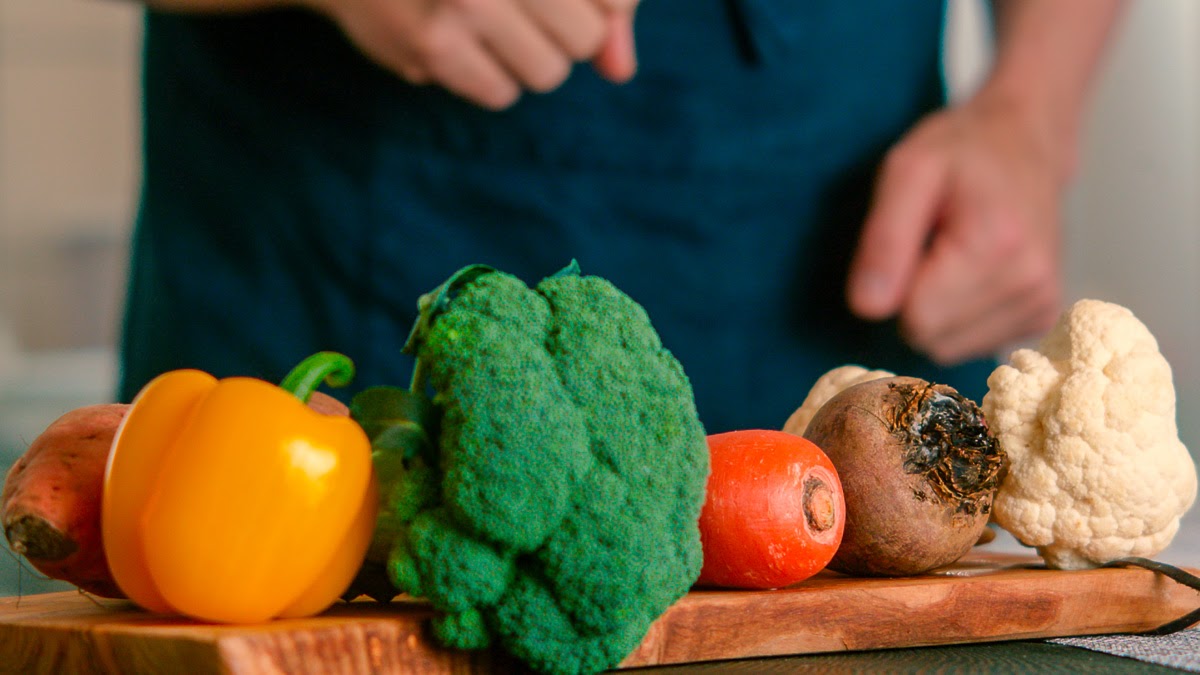
(a mix of seasonal vegetables such as carrots, broccoli, cauliflower, beets, turnip, onion, bell pepper, sweet potato, pumpkin)
¼-½ cup of starch (corn or potato
Seasonings
½ each teaspoon onion, garlic, chili powder, salt
The tofu is like a mean mince that you work vegetables and seasonings into, then shape.
For the crust
½ cup of starch
1 tsp – 1 tbs onion powder (to taste)
1 tsp – 1 tbs garlic powder (to taste)
1 tsp – 1 tbs chili powder (to taste) (optional)
1 cup of bread crumbs/panko
1 cup milk or plant based milk
Once your tofu is shaped, bread it to add flavor and texture.
For the sweet and sour sauce
base
¼-⅓ cup sugar (brown or white)
¼-⅓ cup rice vinegar
1 tbs catsup
¼ cup soy sauce (light is preferred, but dark will do)
+
slurry
1 cup liquid (water or pineapple juice or a blend)
2 tablespoons of starch (corn or potato)
You can either add the sauce to a stir fry and add the slurry to thicken it or combine both to create a sauce you dip the tofu into.
Directions
Drain the water from the package of tofu.
Place between a dish towel and place something heavy upon it.
Let the tofu press for 30 – 60 minutes while you prepare the rest of your ingredients.
The finer the dice, the easier the tofu balls will hold together.
Prepare the crust
Combine ½ cup of starch with the spices and sift. Set aside.
Pour 1 cup of milk or plant based milk in a bowl and set next to the starch.
Pour 1 cup of bread crumbs into a bowl and set that next to the milk.
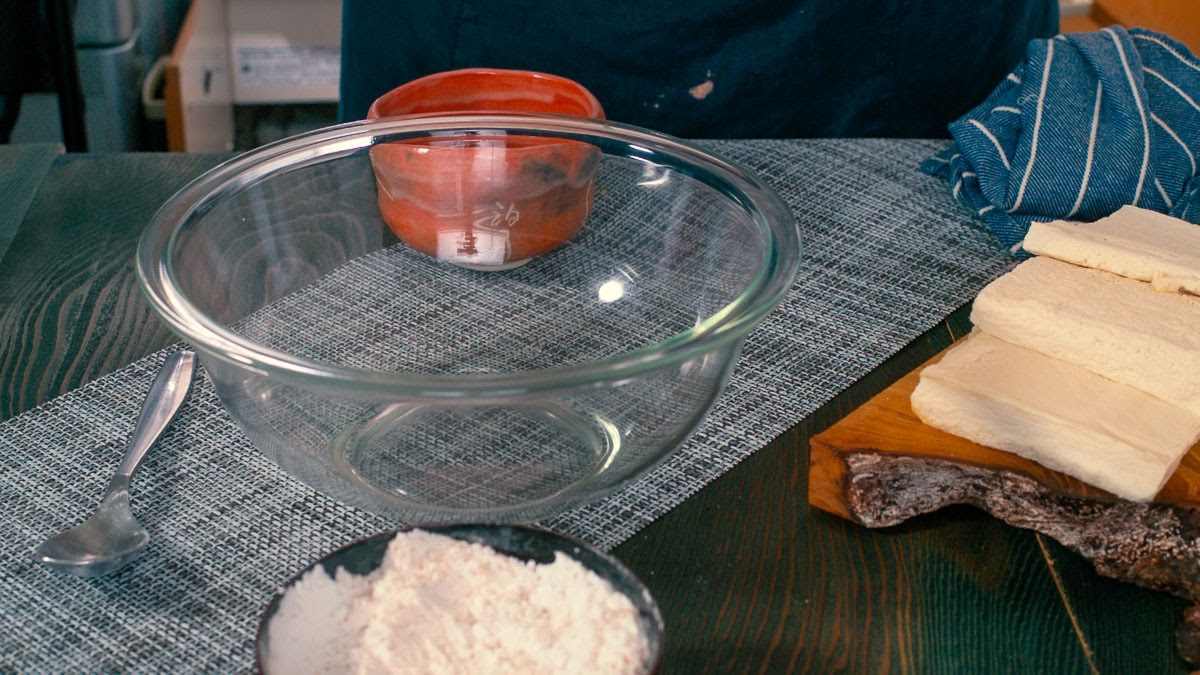
Seasoned flour, a liquid, and the bread crumbs all neatly lined up.
Prepare the sweet and sour sauce
Combine the sugar, vinegar, catsup and soy sauce in a bowl and stir to dissolve the catsup and sugar. If the sugar does not dissolve, you can heat it in a small sauce pan.
Combine 1 cup liquid with the starch and stir to dissolve. (The starch will settle at the bottom. This is normal.)
For the meatless balls, fried
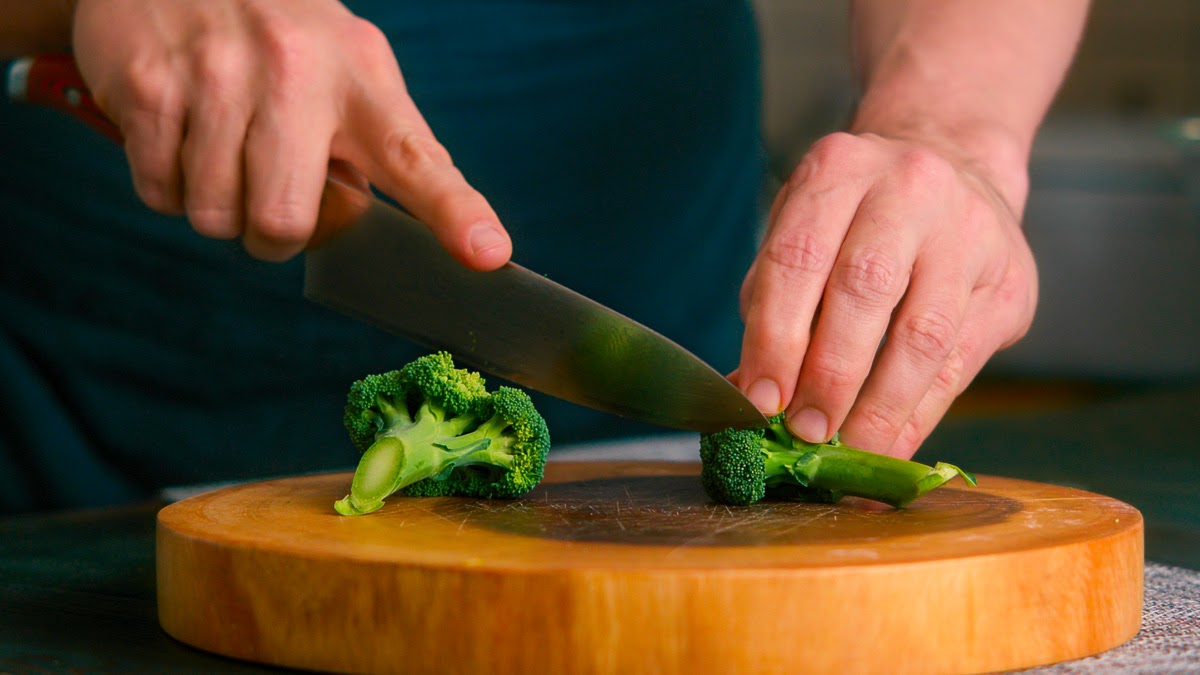
Peel and mince your vegetables. The smaller the cut, the easier they are to incorporate into the mixture.
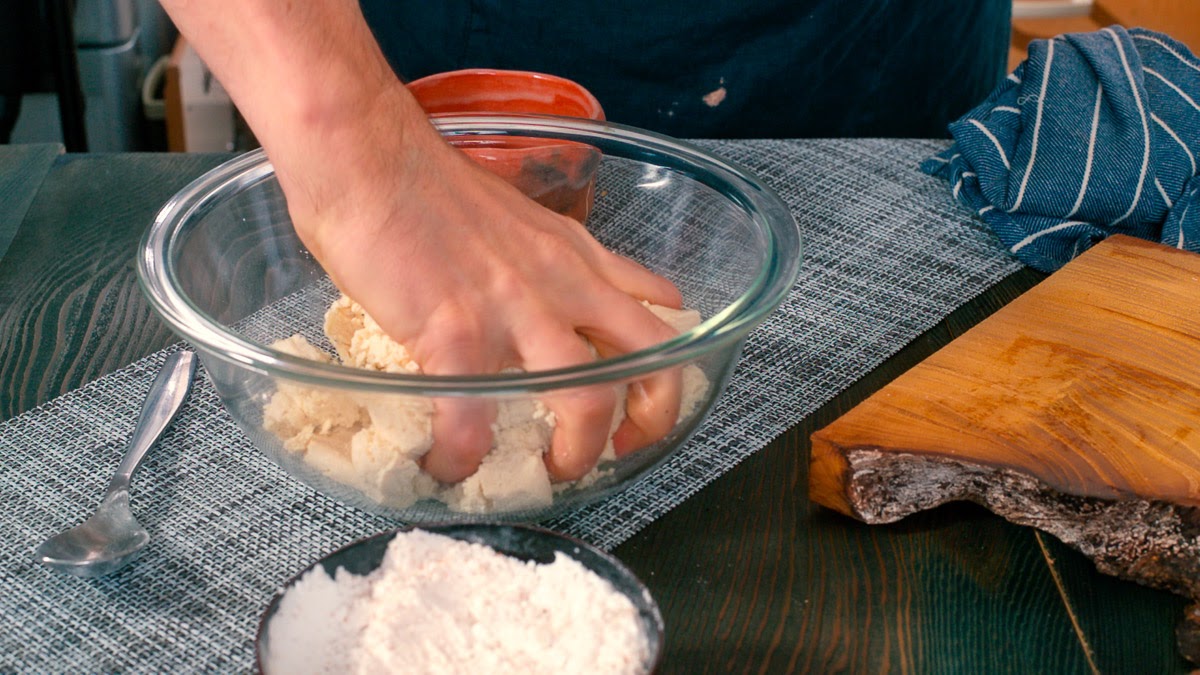
When the tofu has pressed, crumble it in a bowl and mix in the vegetables.
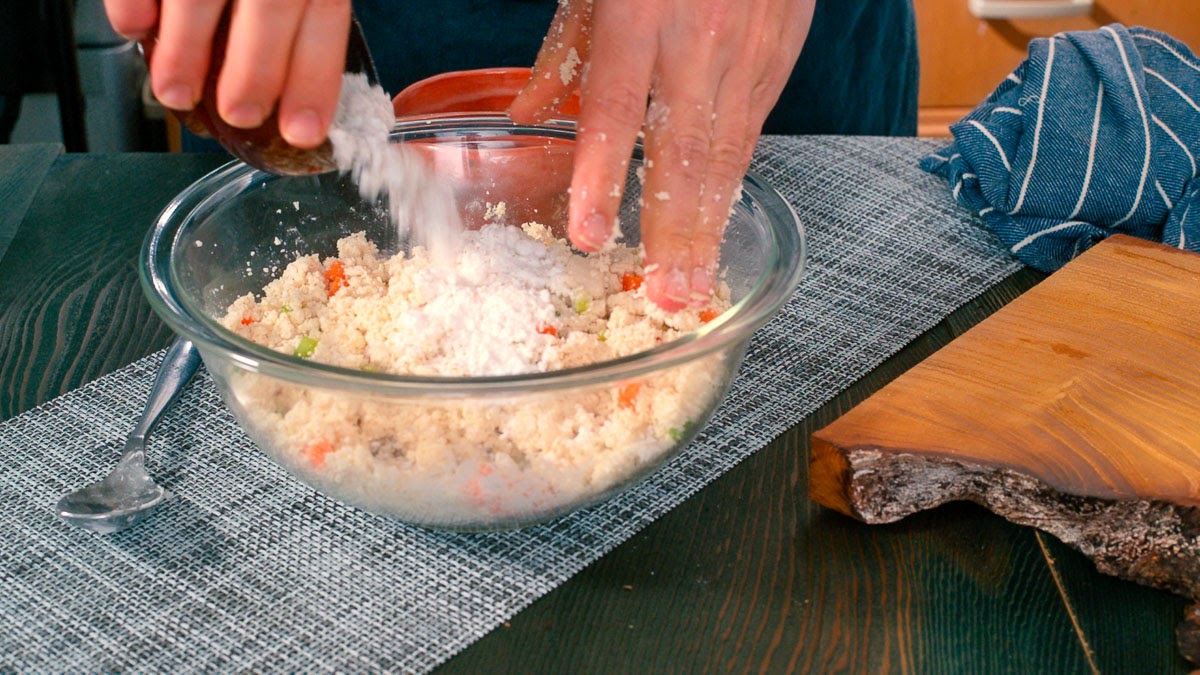
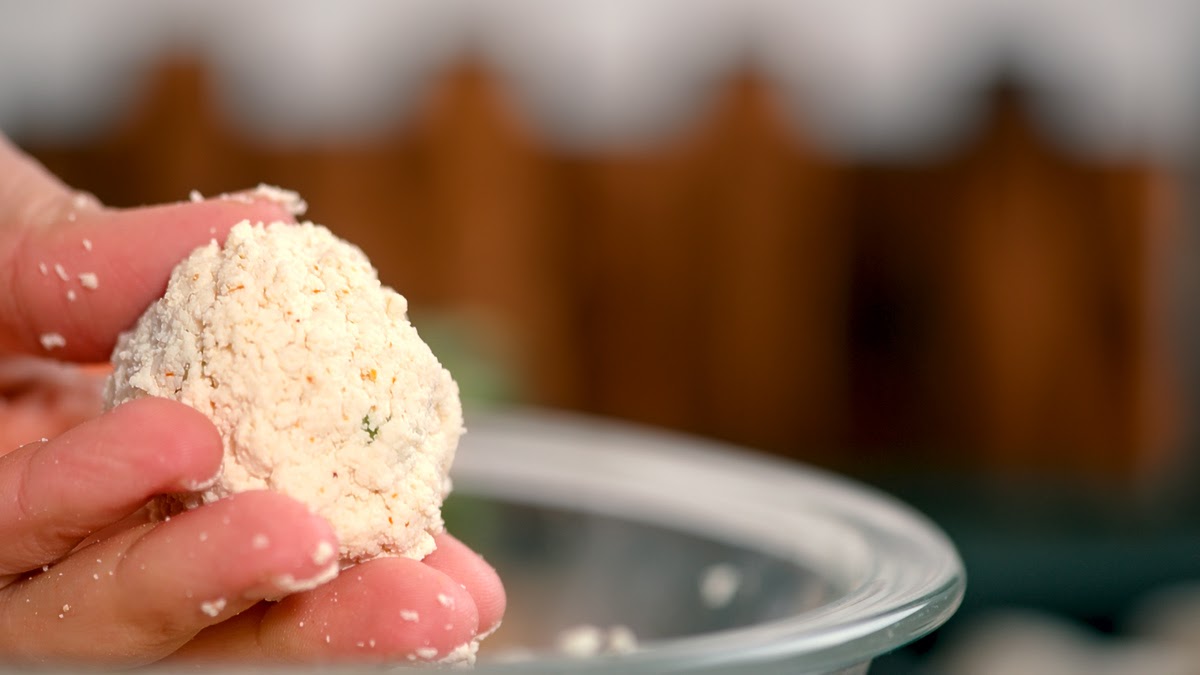
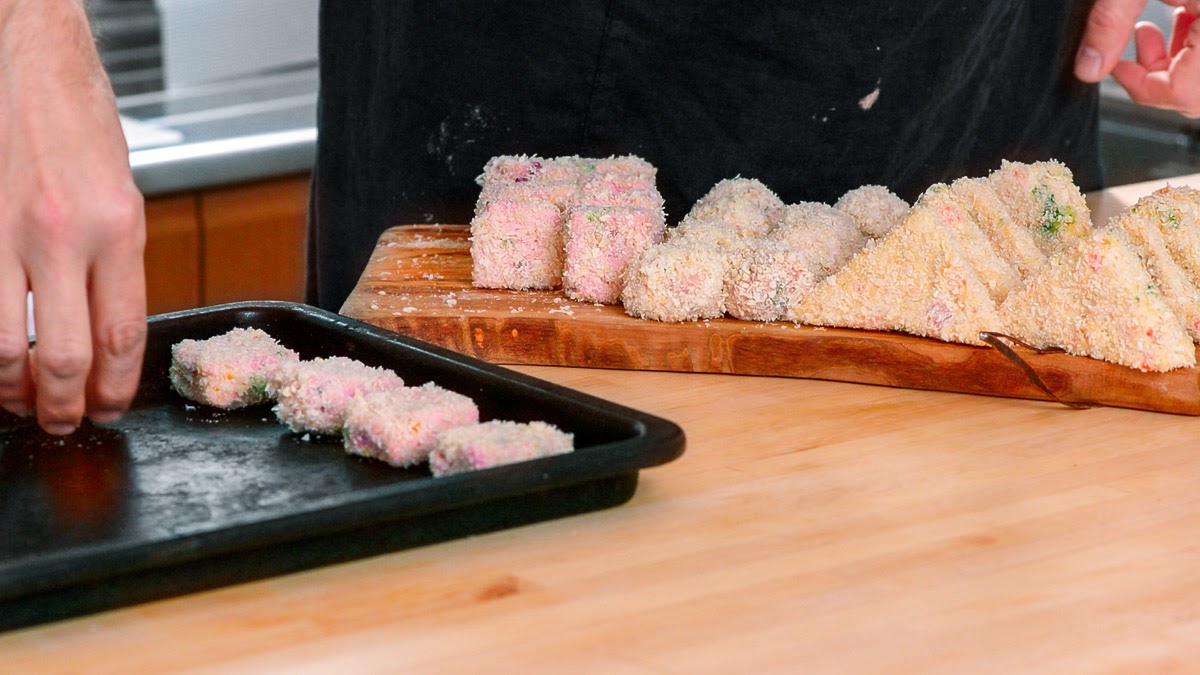
Add ¼ cup of starch and mix. Squeeze a handful of the mixture in your hand. If it holds together, shape into balls. If not, add more starch until you can form balls. You can also press the mixture into shapes.
Roll the balls in the spiced starch.
Dip the balls into the milk.
Coat the balls in the bread crumbs and set aside.
Heat oil in a pan to fry.
Fry the tofu balls in the hot oil until well browned.
Drain on paper towels.
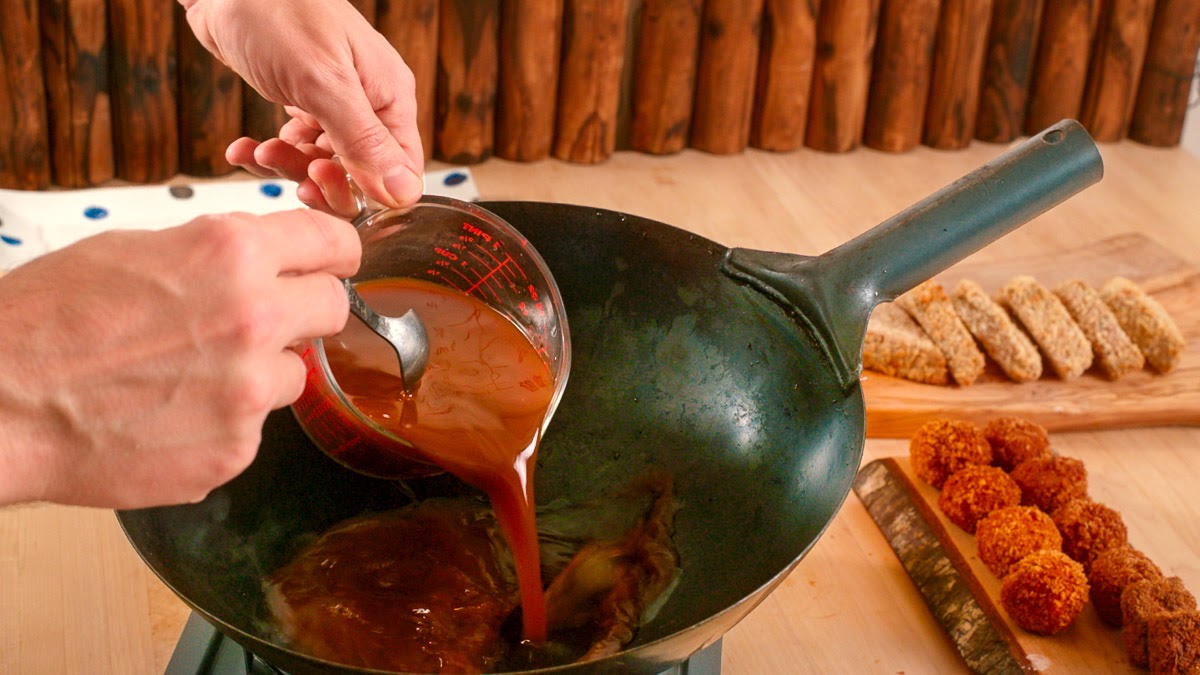
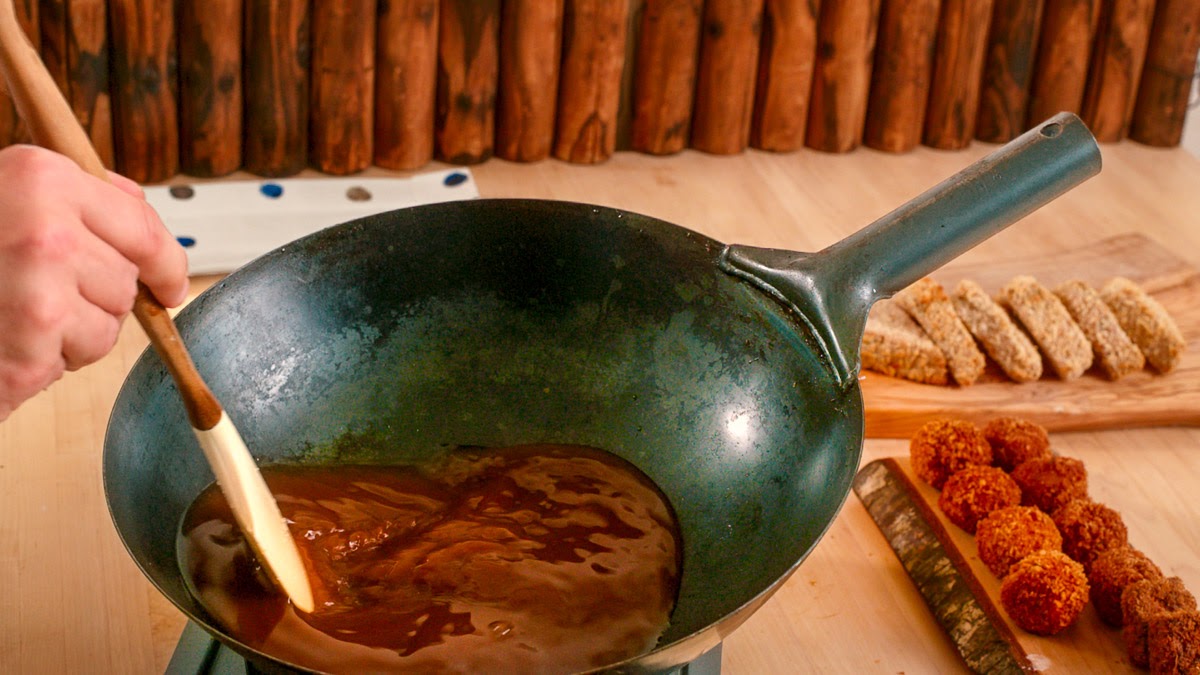
In a saucepan combine the sweet and sour sauce and the slurry.
Bring to a boil stirring constantly. It will thicken after the boil.
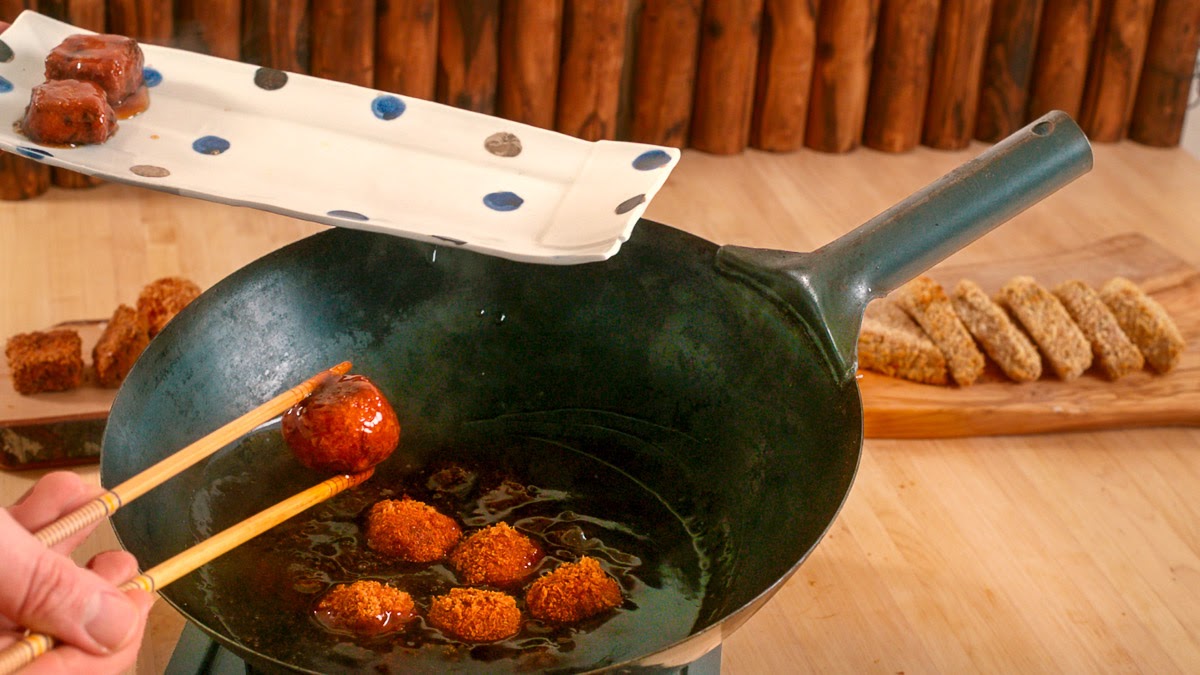
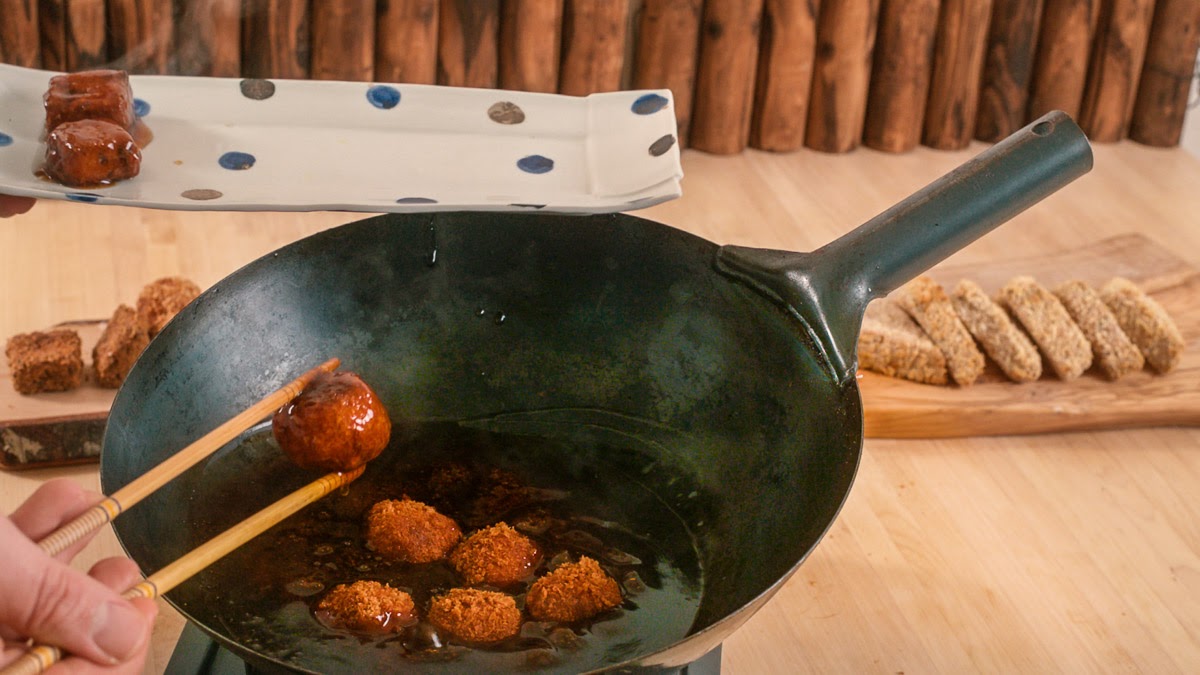
Dip the fried tofu balls into the sauce and serve over rice.
For the tofu balls, baked
You can either mist the tofu with oil or bake directly in a very hot 250C/400F oven for 30-40 minutes. The oil will give the tofu a very firm crunch.
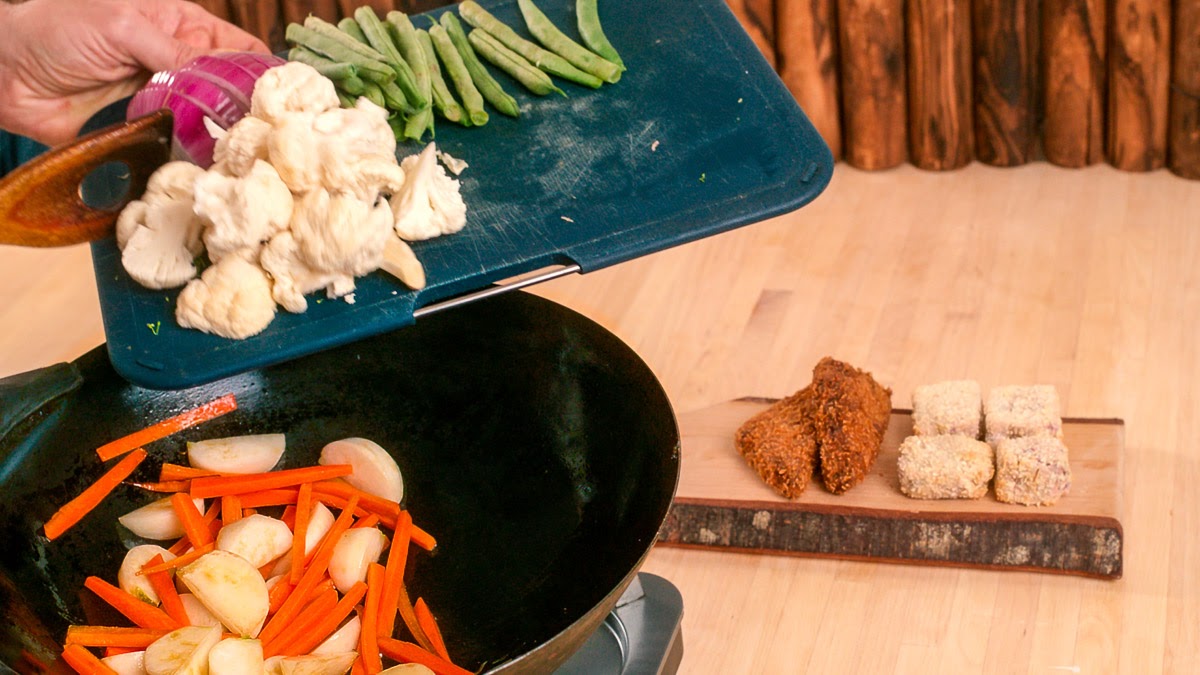
Add the vegetables to the stir fry in order of cooking time.
Alternatively
After the tofu balls are fried, stir fry 2 – 3 cups of sliced vegetables in hot oil.
When done to your liking add ¼ of the sweet and sour base and bring to a boil.
Add the slurry.
Bring to a boil. The sauce will thicken.
Add the tofu.
Serve over rice.
Or dip your tofu into the sauce.
If you’ve made it this far, thank you for reading. As I’m learning how to blog, if you have any suggestions on how I can improve, please write them in the comments below. Also, let me know what you think of my recipe.
If there’s a secret to quality fried rice, it’s high, high heat but also a pinch of sugar and a dash of MSG. I’m making Japanese Fried Rice with a few surprises.
In the video, I prepared three different fried rice versions: a vegetarian, a chicken, and a (traditional) pork. Today I’ll post the vegetarian version with brown rice and later in the week the remaining two.
Ingredients
10 grams minced ginger
15 grams minced garlic
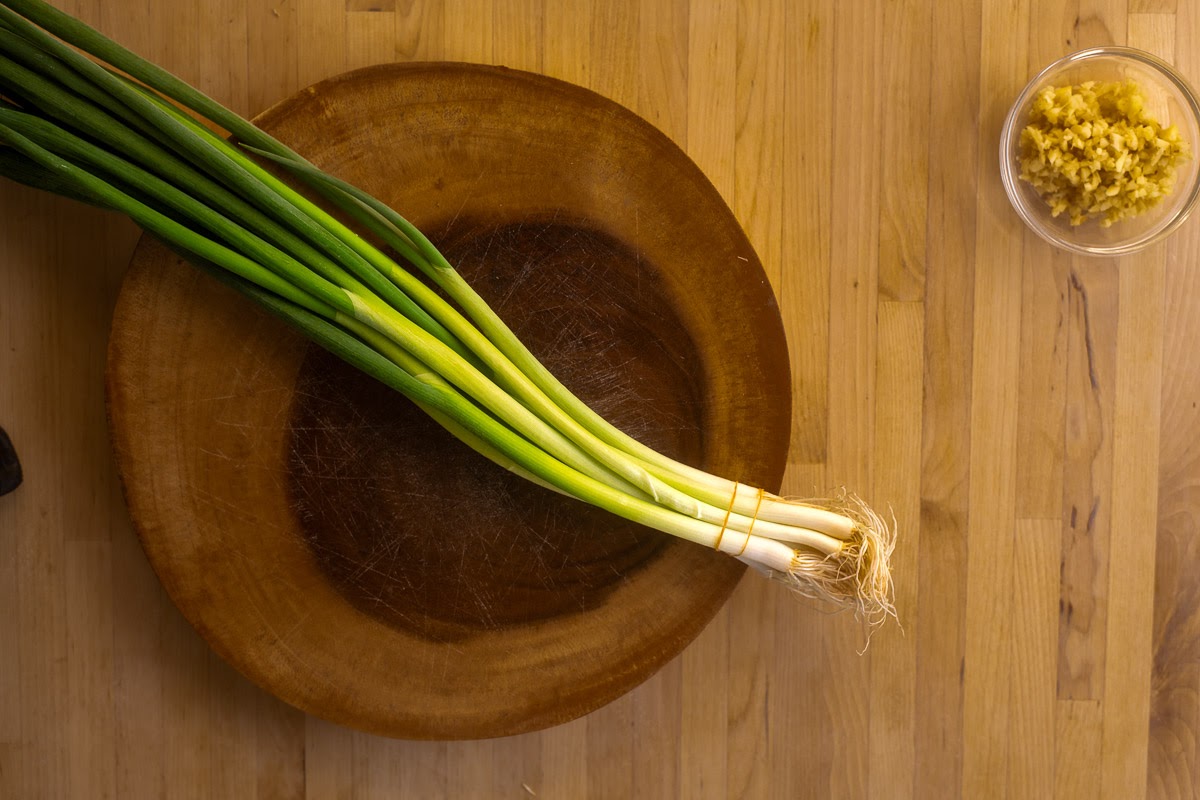
50 grams of the green part of a scallion, sliced
Up to 2 cups of minced vegetables (carrots, broccoli, red/yellow peppers, corn are good starts, but use what’s in season)
2 eggs
2 cups cooked brown (or white) rice
1 teaspoon konbu salt (optional — recipe below)
½ teaspoon MSG (optional, but restaurants use it)
1 teaspoon sugar (optional, restaurants use it)
Up to ¼ vegetable oil
1 tbs soy sauce
1 tbs sake or Shaoxing Wine (optional, but used in restaurants)
Directions
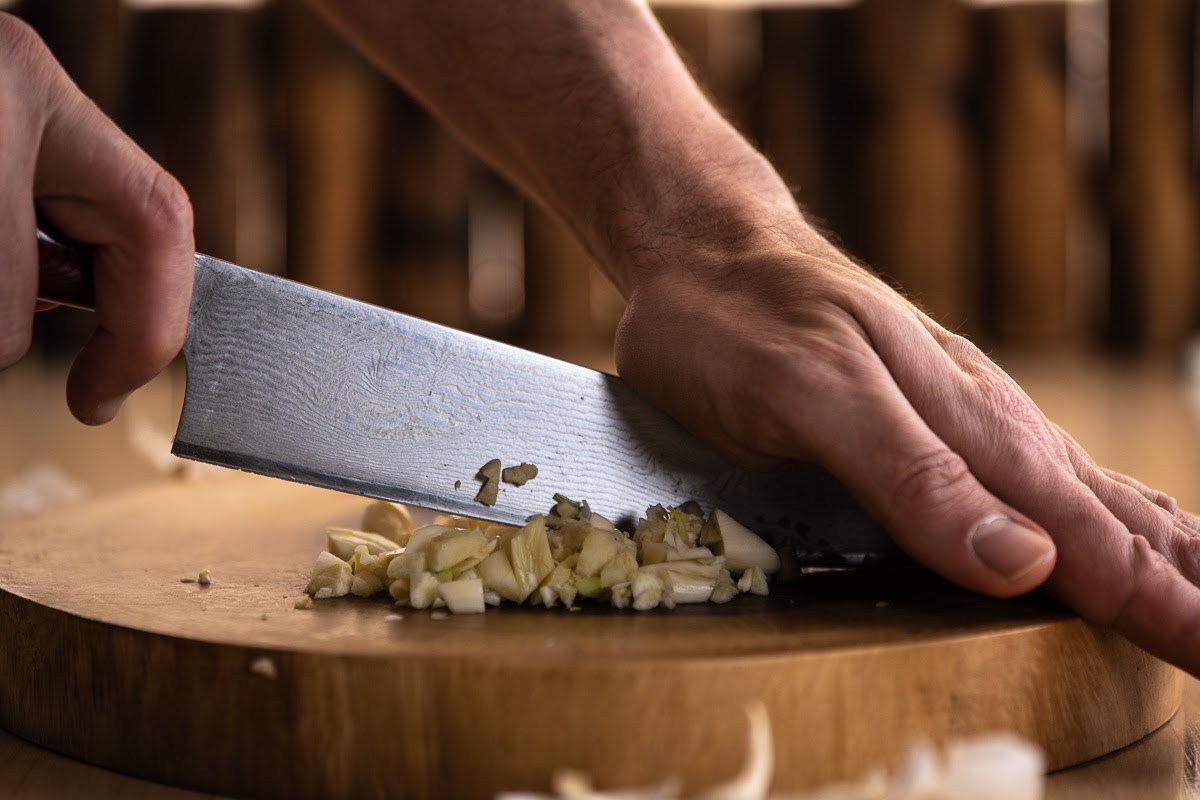
Prepare the garlic and ginger, set aside in its own dish.
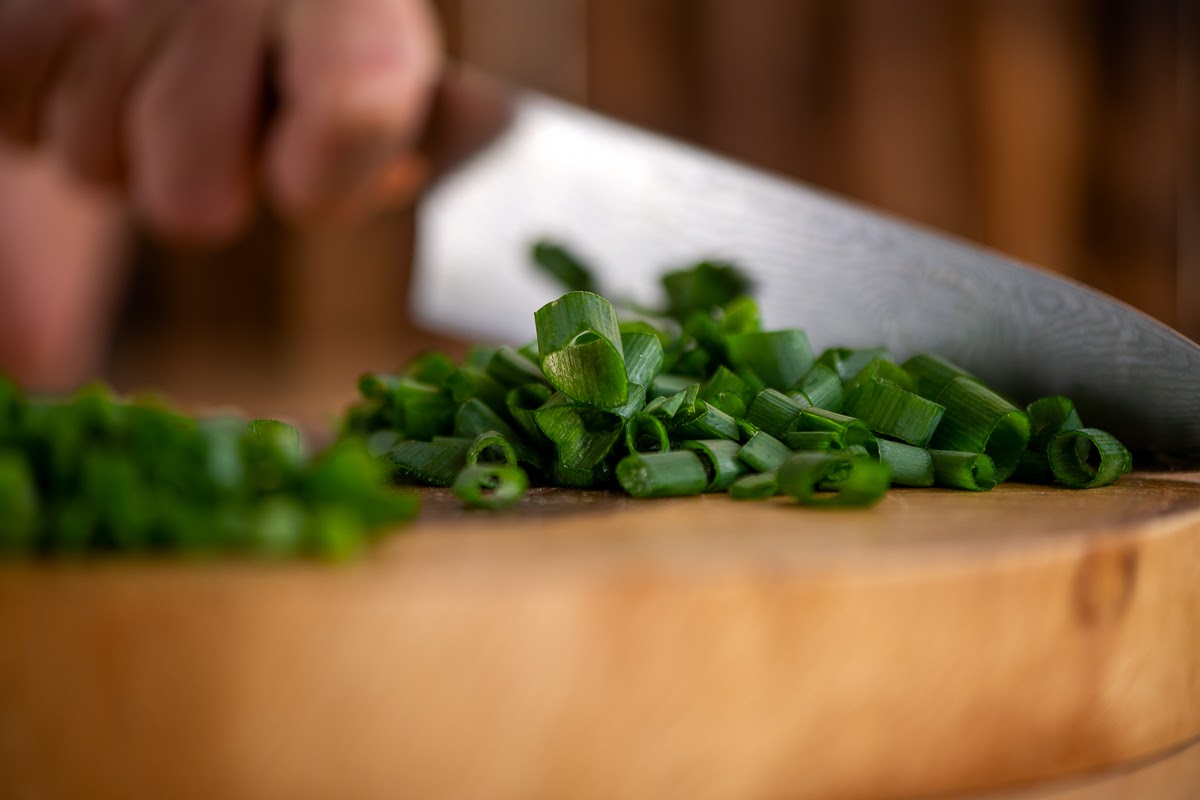
Prepare the scallions, set it aside in its own dish.
Prepare all your vegetables, set them aside in their own dish and toss them with the konbu salt, if using.
Beat two eggs with salt in its own dish and set aside.
Heat a wok or deep fry pan, add your oil and gently sauté the garlic and ginger until it’s nicely browned.
Strain. Keep the browned bits of garlic and ginger for later
Add the oil back to the pan.
Cook your vegetables in the flavored oil about five minutes until almost done.
Remove them from the pan.
Add the flavored oil back to the pan.
Turn the heat up to the maximum setting and all at once add the eggs to the hot oil. Quickly stir. When the whites are set but the yolks still wet, add all the rice at once.
Mix the rice into the egg — do not lift the pan from the fire.
Restaurants cook at a much higher temperature and can toss the rice at this point, but the home cook should not. You want to cook the egg and dry the rice, so keep the pan on the burner until that happens.
When the egg and rice are thoroughly mixed add the scallions and cook one minute.
Add the vegetables and the browned garlic/ginger and mix well.
Pour the soy sauce around the edge of the pan and mix well.
Add the MSG and sugar, if using and mix well.
Add the sake or Shaoxing Wine around the edge of the pan and mix well.
Taste and correct for salt — you’re done.
Konbu Salt
Konbu (aka dried kelp) is rich in the flavor called umami, which is what MSG has. If you prefer not to use MSG in your cooking, you can get an umami boost with konbu salt — readily available in many asian markets, but you can easily make it at home.
To ½ cup table salt add 5 grams of dried konbu. Put it in a heavy duty blender and blend at full power until the konbu is pulverized with the salt. Strain through a wire mesh filter and use as needed. Discard any larger pieces that you filter out.
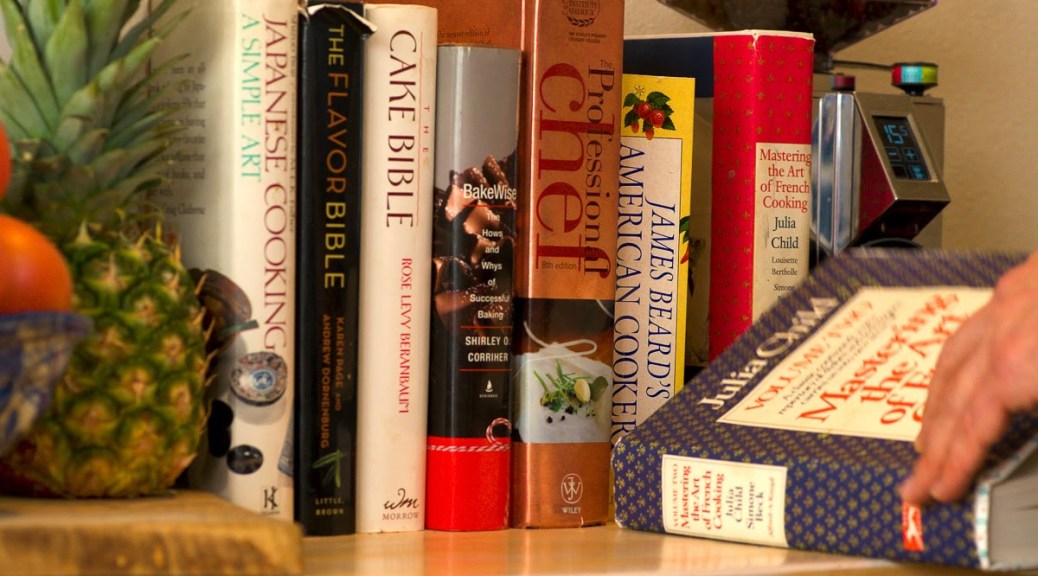
Below is the pastry I used in making my Mushroom Tarts. The recipe I’ve used for years is from Julia Child’s ‘Mastering the Art of French Cooking’ with two minor changes:
I add more sugar to help in browning (see how golden that crust is?).
I used only butter, replacing the lard in her original recipe for butter. (I prefer lard in my crusts but I wanted to keep the recipe vegetarian as the tart can be thought of as vegetarian.)
For The Tart Shell
240 grams AP flour
1 teaspoon salt (for flavor)
1 teaspoon sugar (for color)
224 grams of butter (see note)
1/2 cup ice water
(note: Child’s original recipe calls for 184 grams butter and 56 grams lard and ¼ tsp sugar.)
Directions
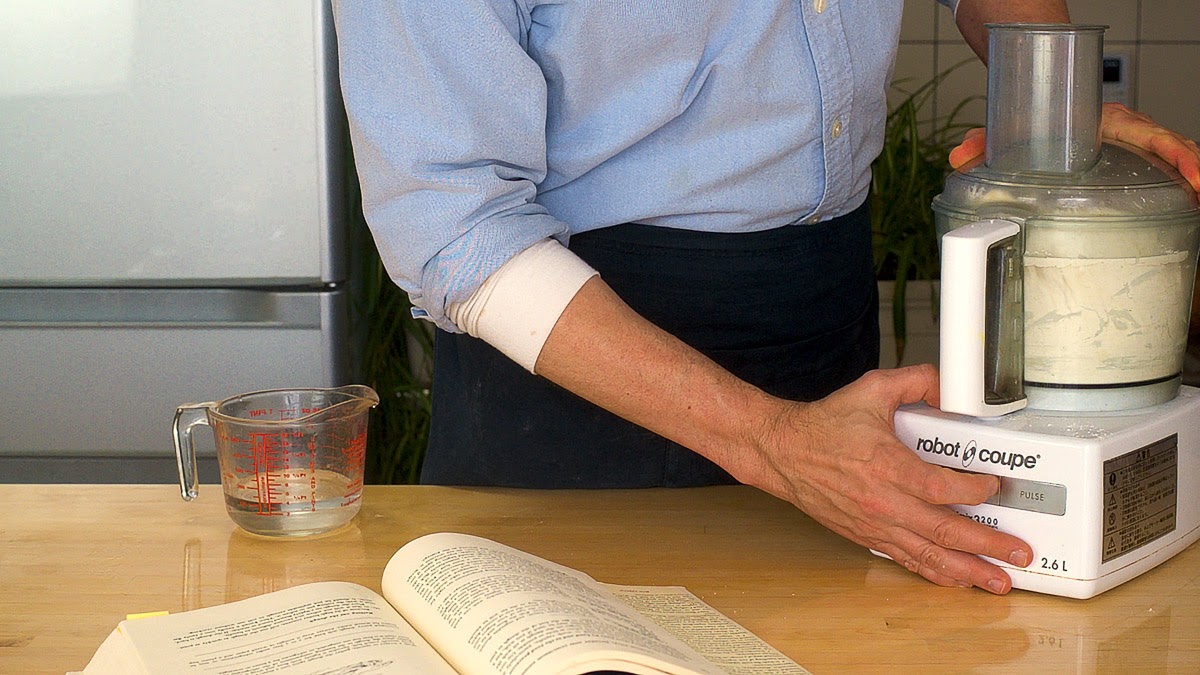
Mix the flour, salt, and sugar — let it whirl in the food processor.
Cut the butter into cubes.
To break up the butter cubes, toss them with the flour mixture (in the food processor).
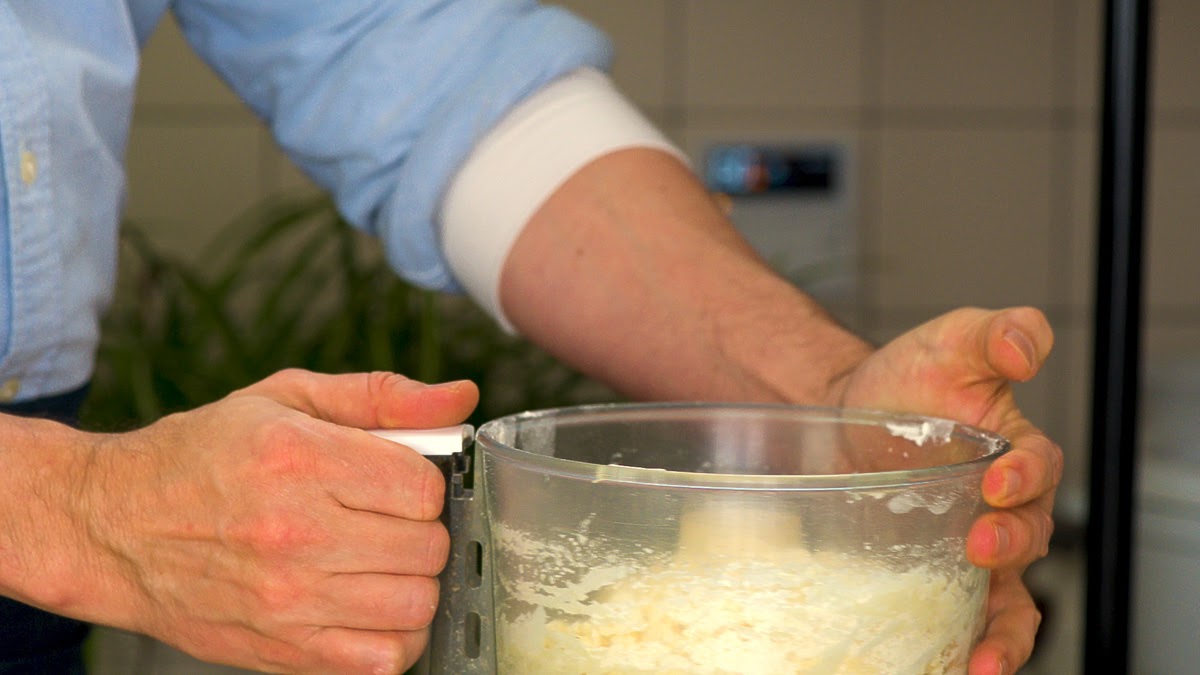
Either pulse your food processor 5 or 6 times to blend the butter with the flour mixture or cut the butter into the flour mixture with a fork or pastry cutter until it’s the size of small peas.
If you’re using the food processor, turn on the machine and pour the water in all at once. Stop when the dough gathers round the blade. (It will take less than 30 seconds.)
If you’re mixing by hand, pour in all the water and gently toss it all tother with a fork or spatula until the water is absorbed.
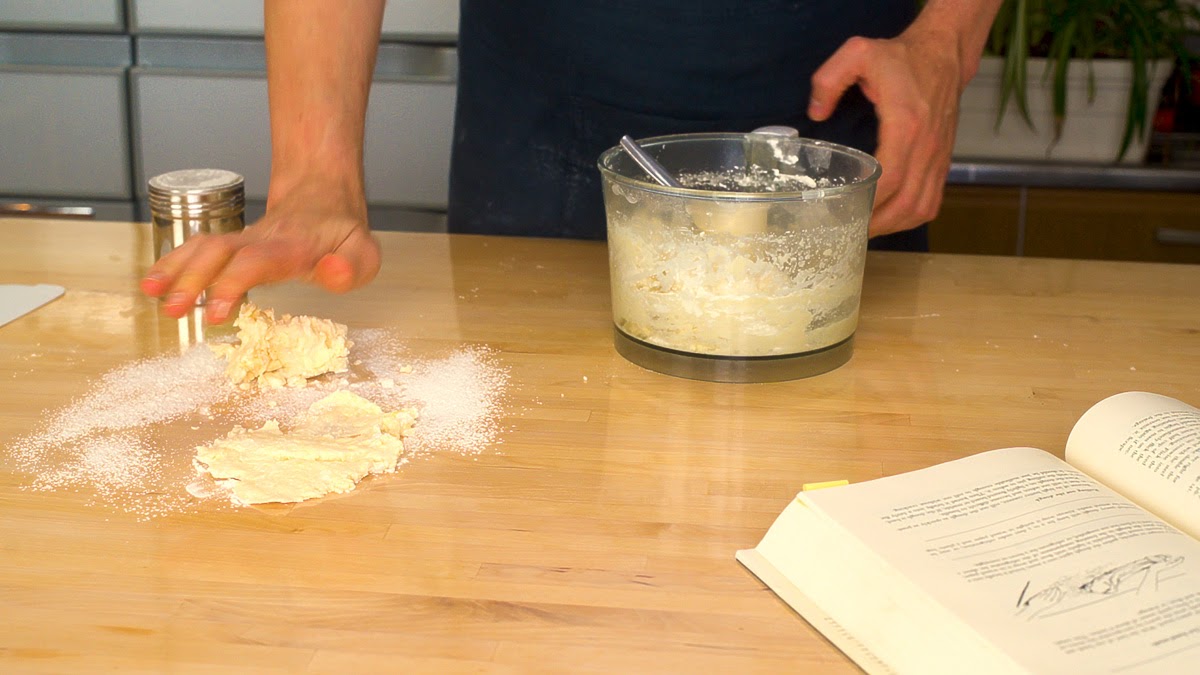
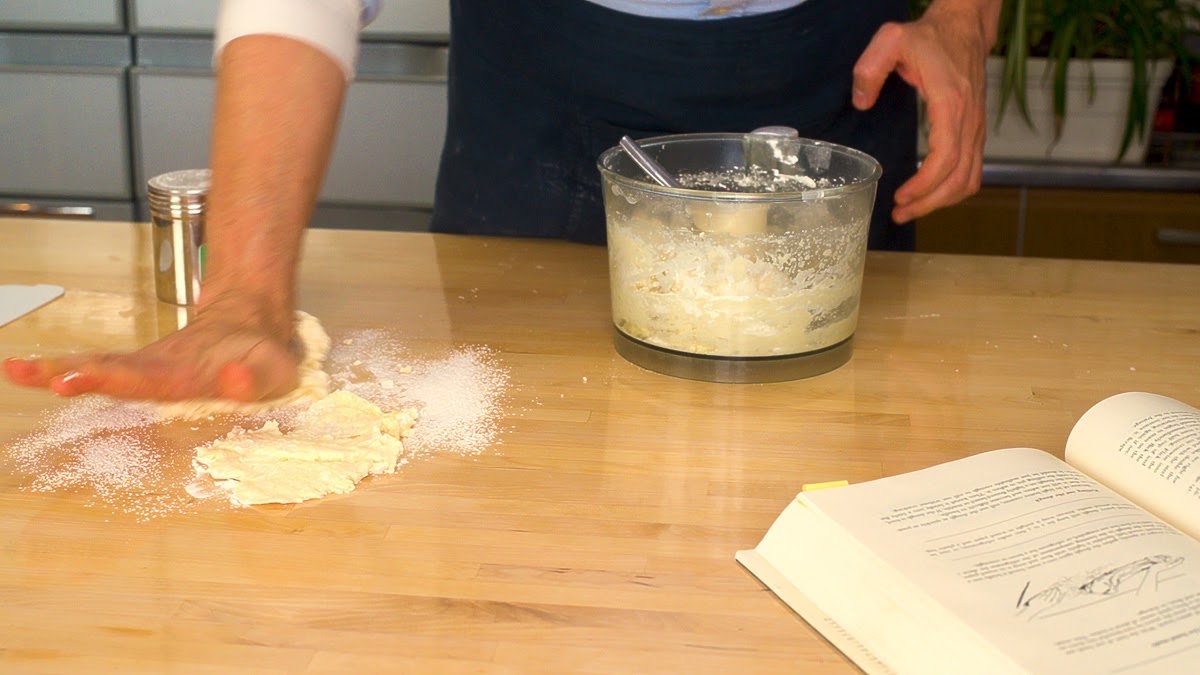
Whichever method you used, put a large tablespoon of the dough onto a lightly floured work surface and smear it with your palm. Scrape the remaining dough off the surface and repeat until all the dough has been smeared together.
(You’re trying to cream the largest bits into the flour, not every piece, so just one press is enough.)
Gather with a pastry scraper and quickly and lightly knead into a ball — this should take no longer than 30 seconds.
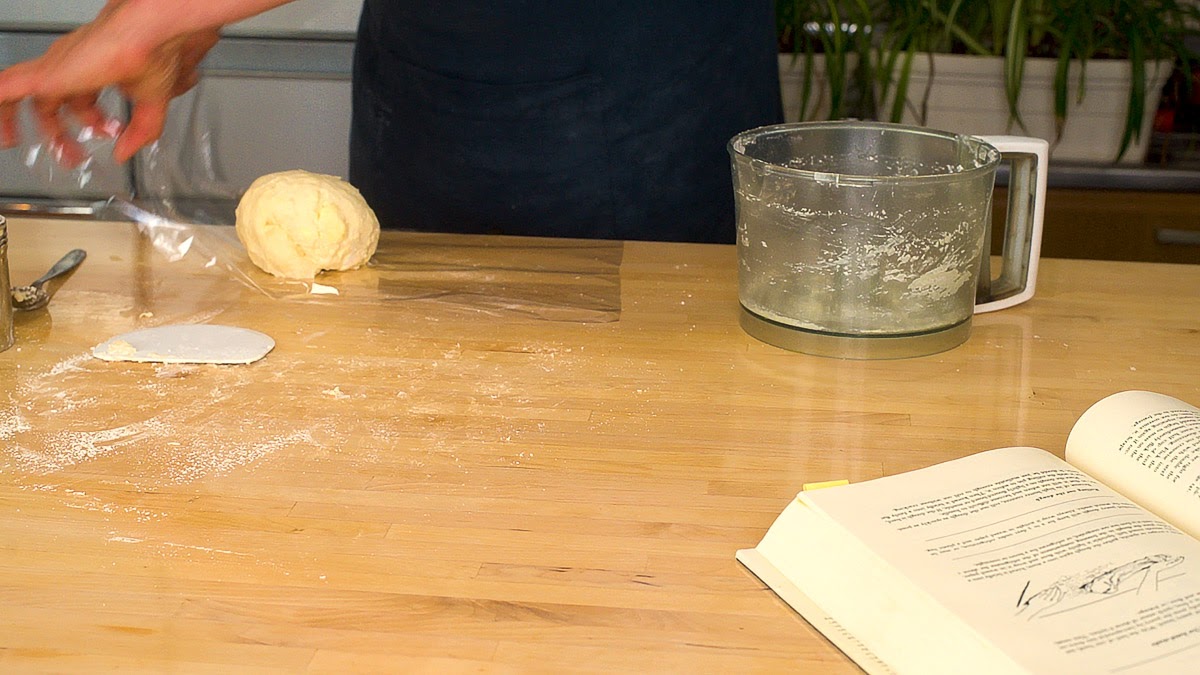
Wrap and put it the refrigerator to rest at least 30 minutes — or overnight.
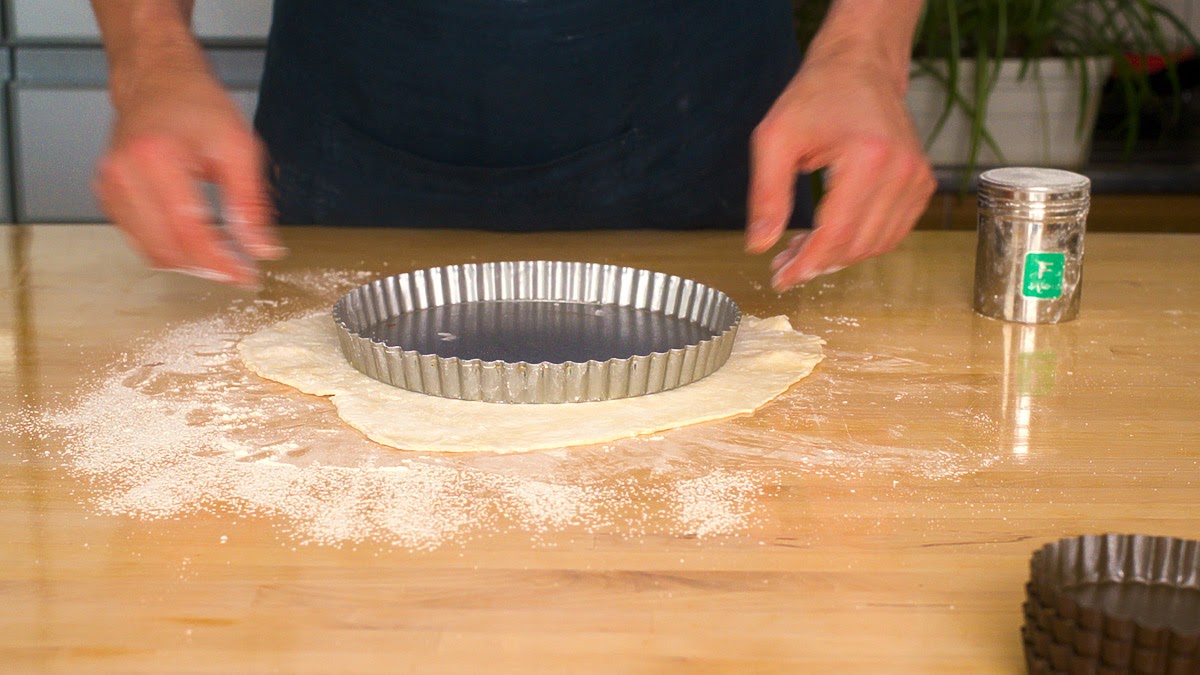
When you’re ready, roll out the dough adding flour if and when the dough starts to stick.
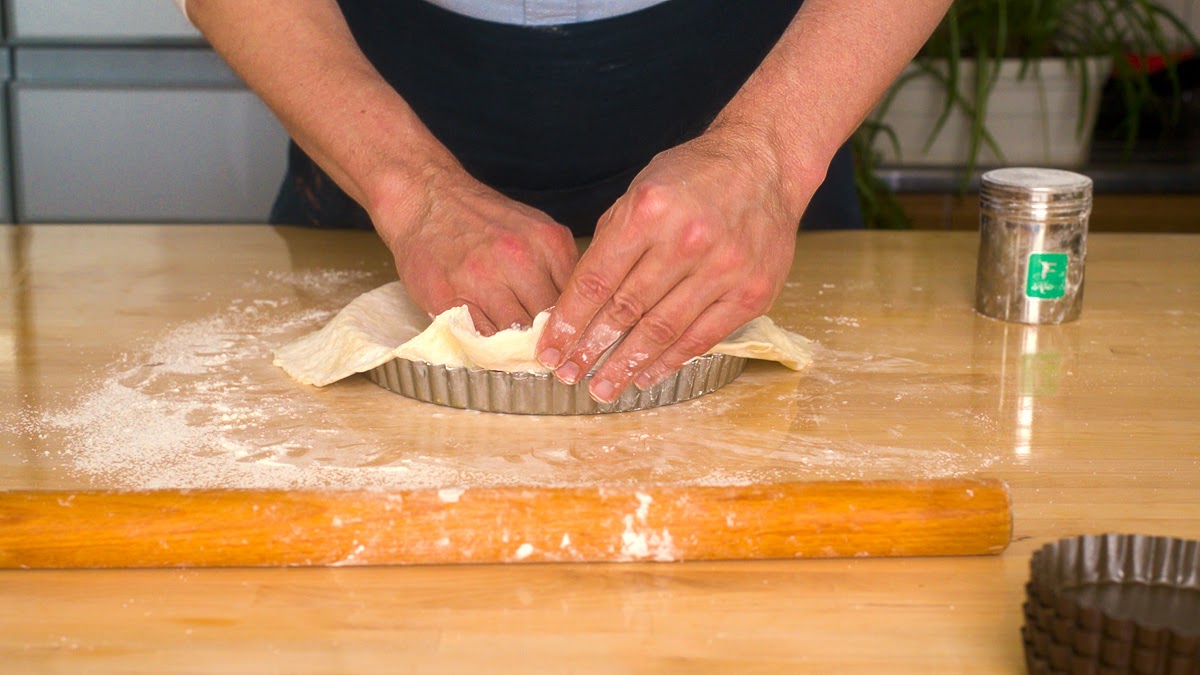
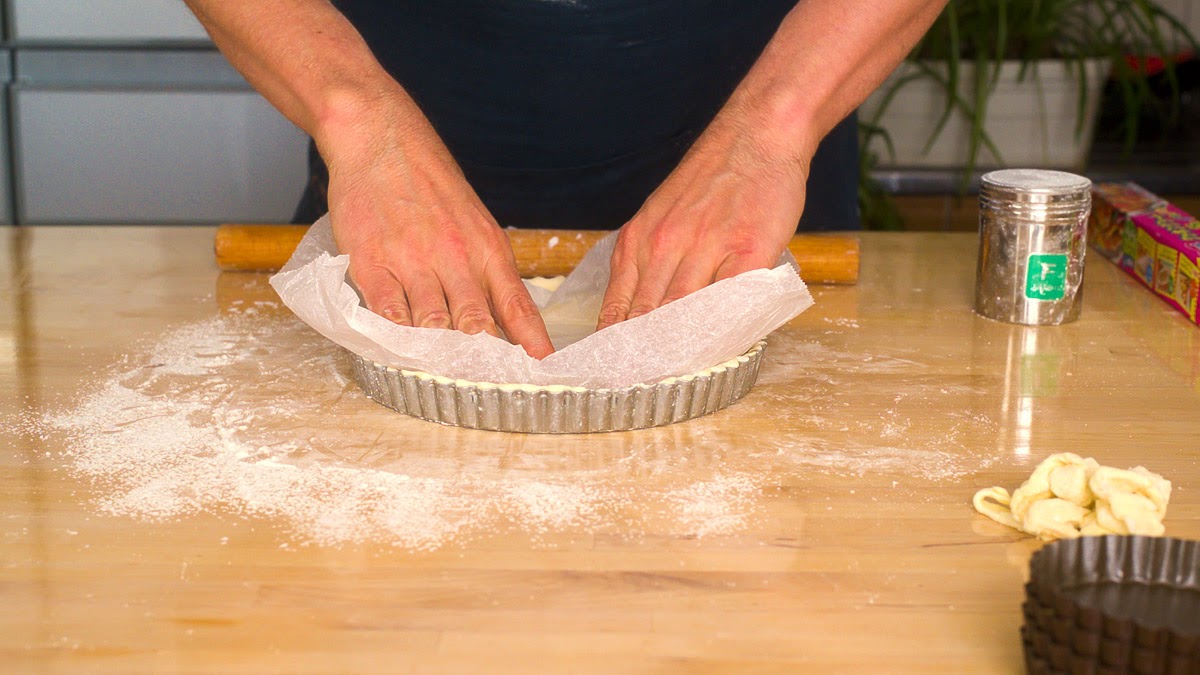
Make sure the dough is large enough to fit whatever pan you’re going to be using, roll it onto the rolling pin and lay it over the pan.
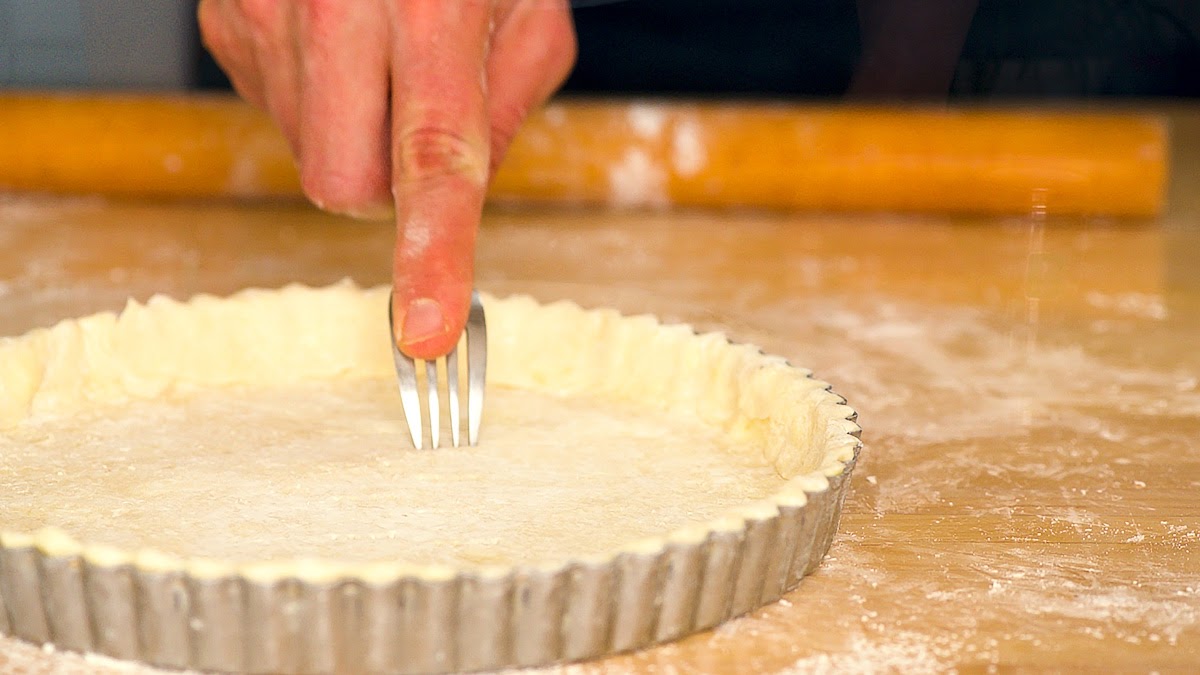
Press it gently into the tart shell, poke it full of holes with the tines of a fork and put it into the refrigerator for the butter to harden.
When you’re ready to use it, add a piece of wax parchment and some kind of weight to keep the pastry from rising and bake.
Bake it in a 200C/400F oven for 30-40 minutes for a fully baked tart shell or as per instructed by your recipe.
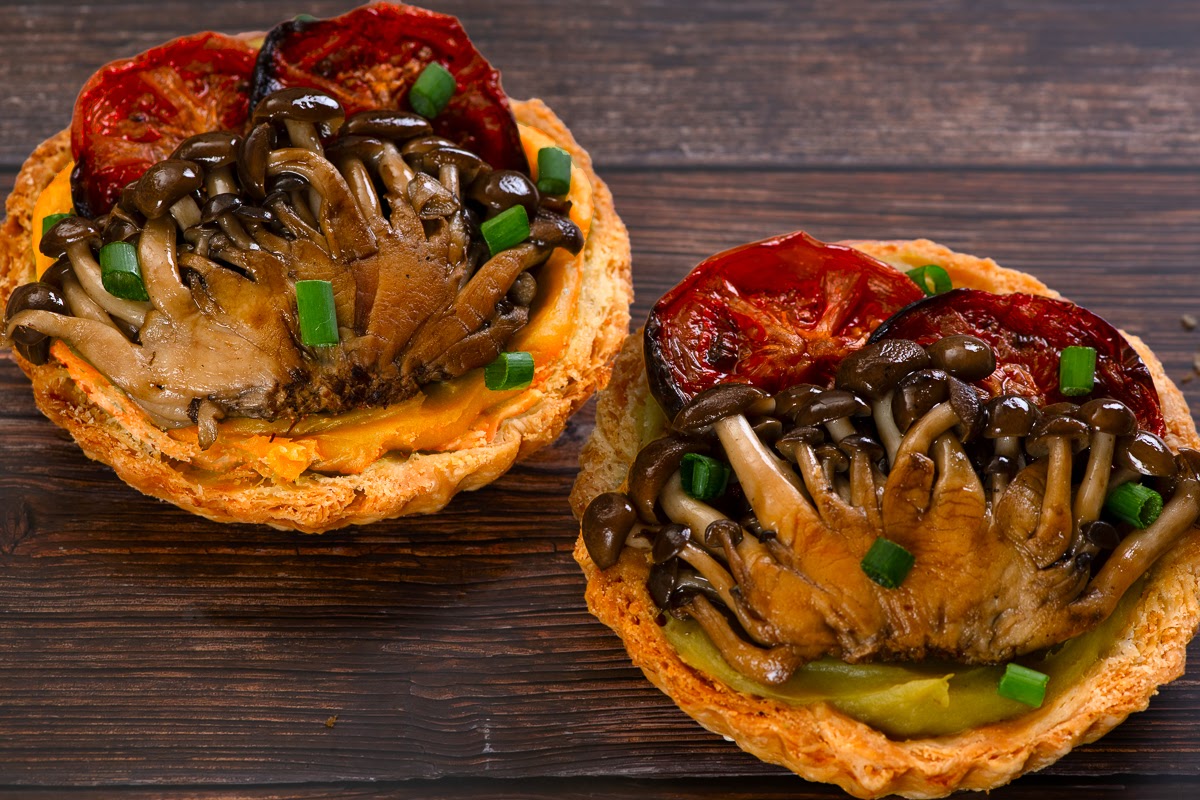
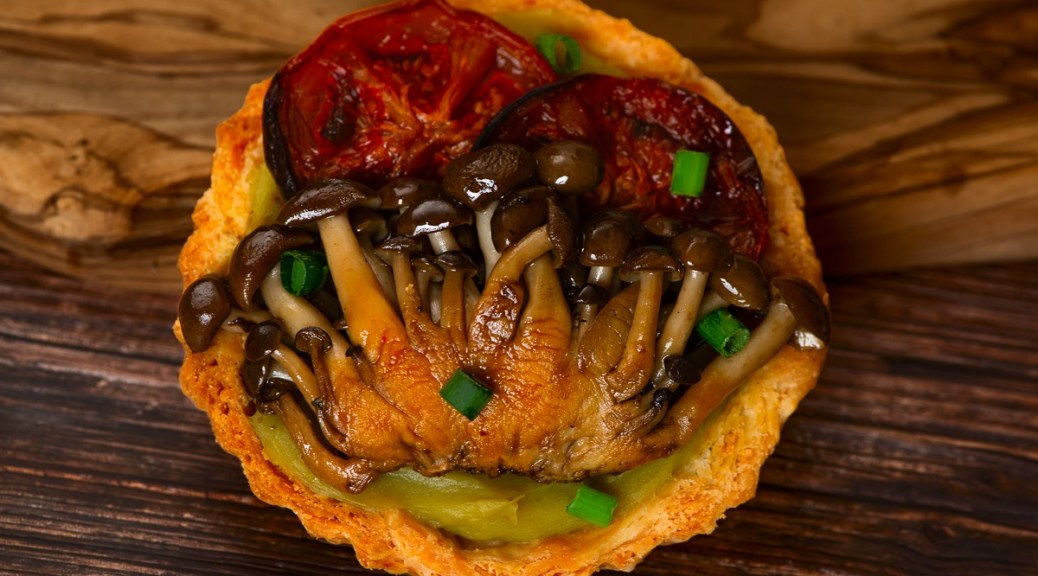
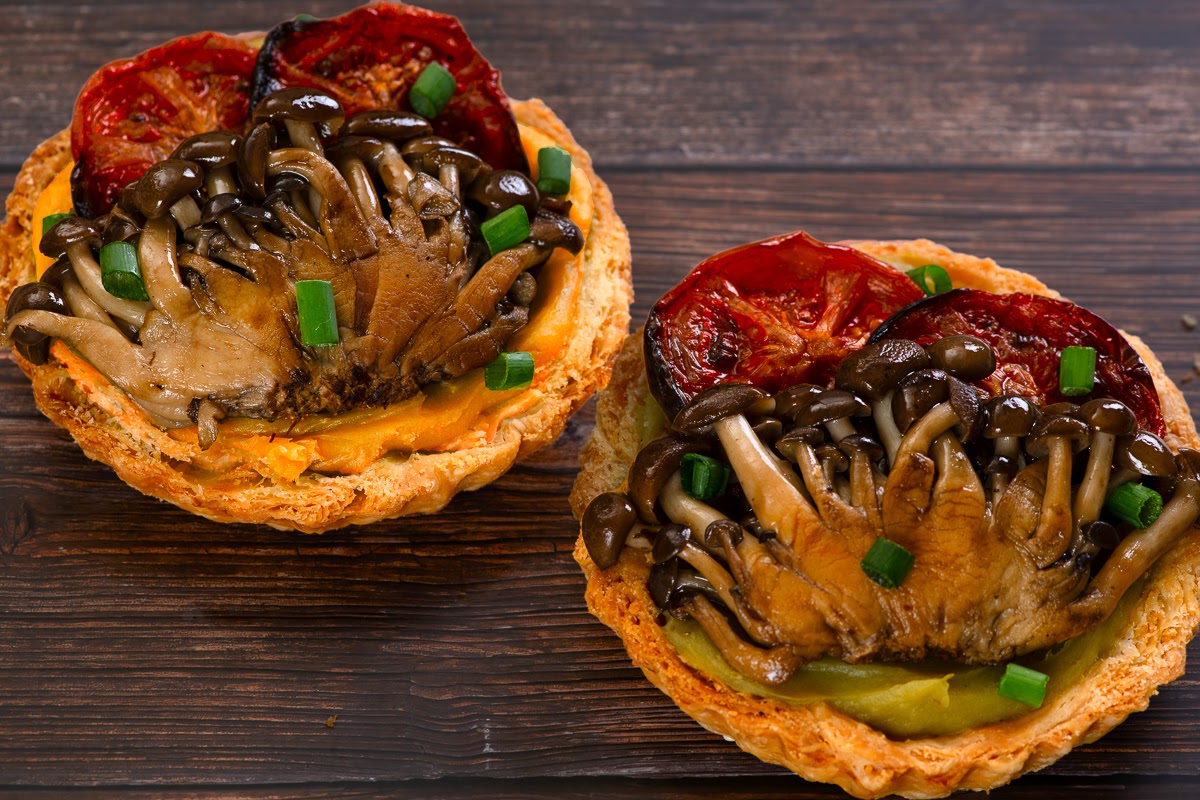
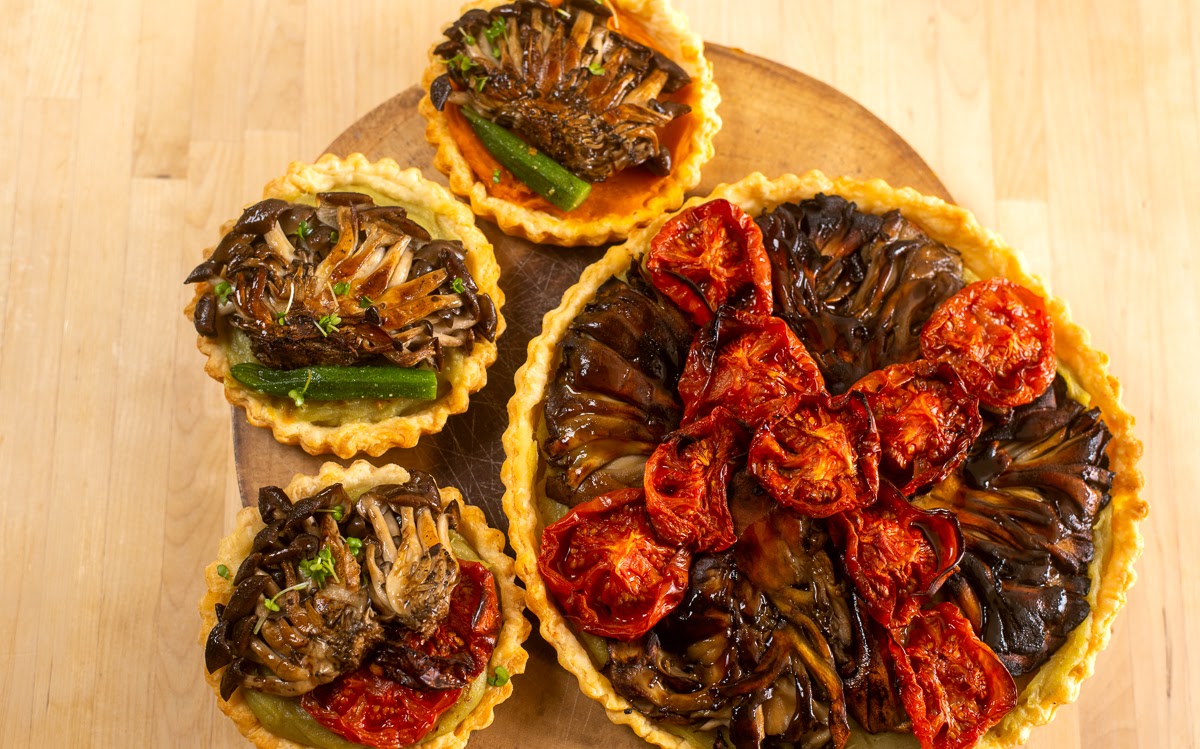
Flakey tart shells filled with sweet potato or pumpkin puree and topped with grilled or fried mushrooms.
Any mushroom will do but here I’m using Japanese mushrooms.
I came across a picture for a beautifully plated, grilled ‘Hen of the Woods‘ (aka Maitake) mushroom months ago. These are inexpensive where I live and so I started grilling them. Maitake have a wonderful mouthfeel and are full of umami; I wanted to turn them into a healthy, inexpensive meal, and so started making them into tarts. Here the tarts are put on a puree of sweet potato or winter melon (I use Japanese kabocha) to fix the mushrooms into place in the tart while adding a new texture and layer of flavors.
For the Mushrooms
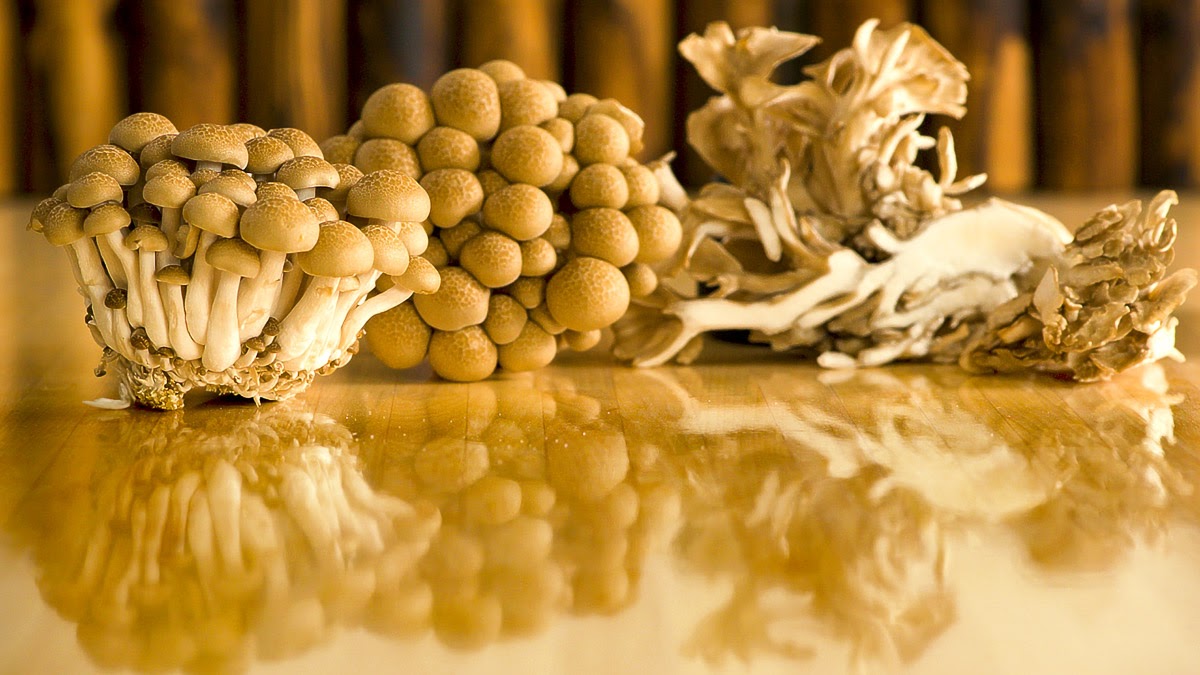
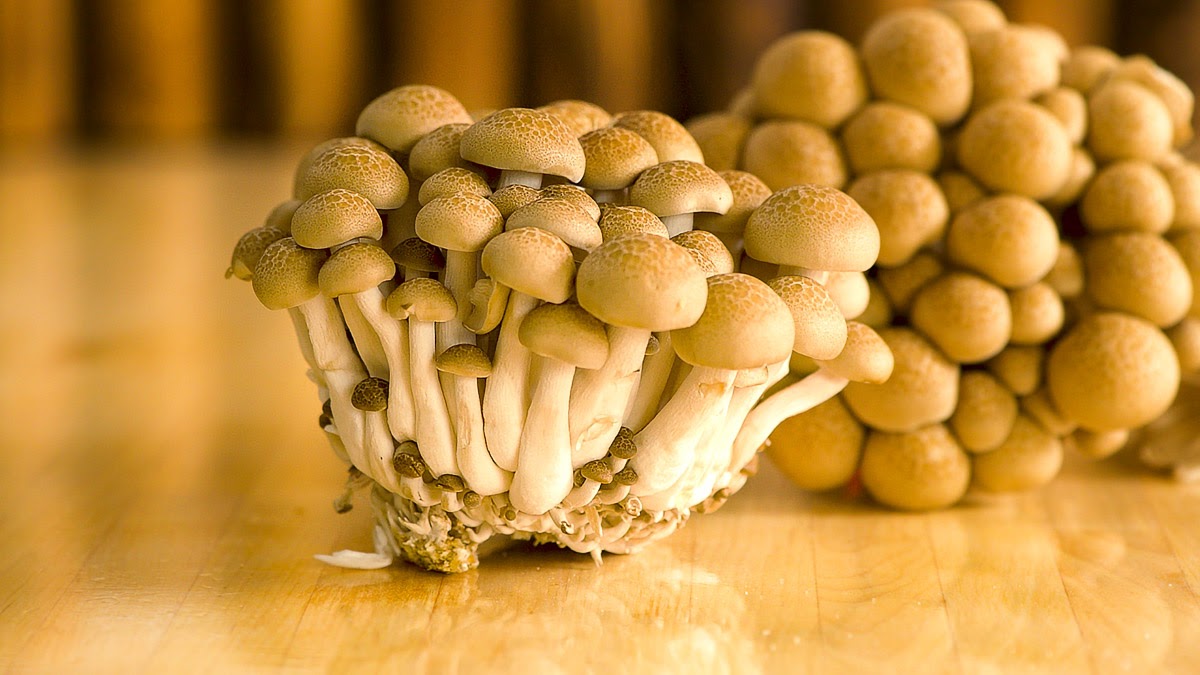
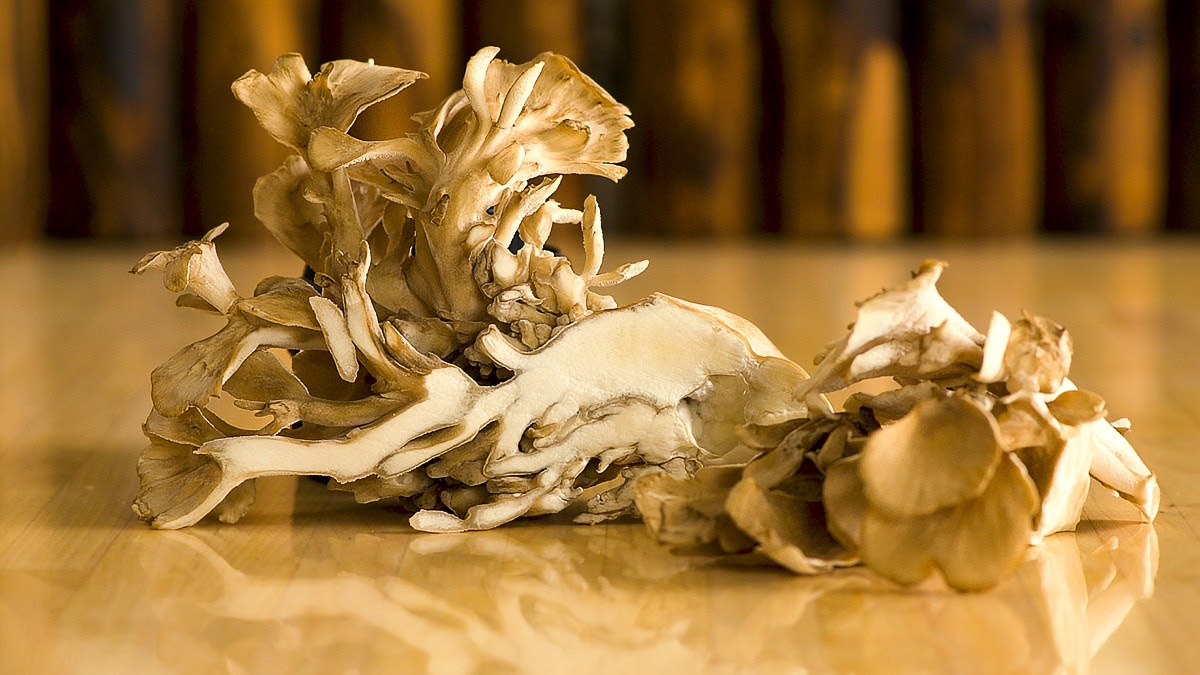
Size varies by location. Any mushroom will work but we enjoy maitake and shimeji mushrooms because they grow as a unit and are much easier to shape because of it.
ShimejiHen of the Woods
Directions
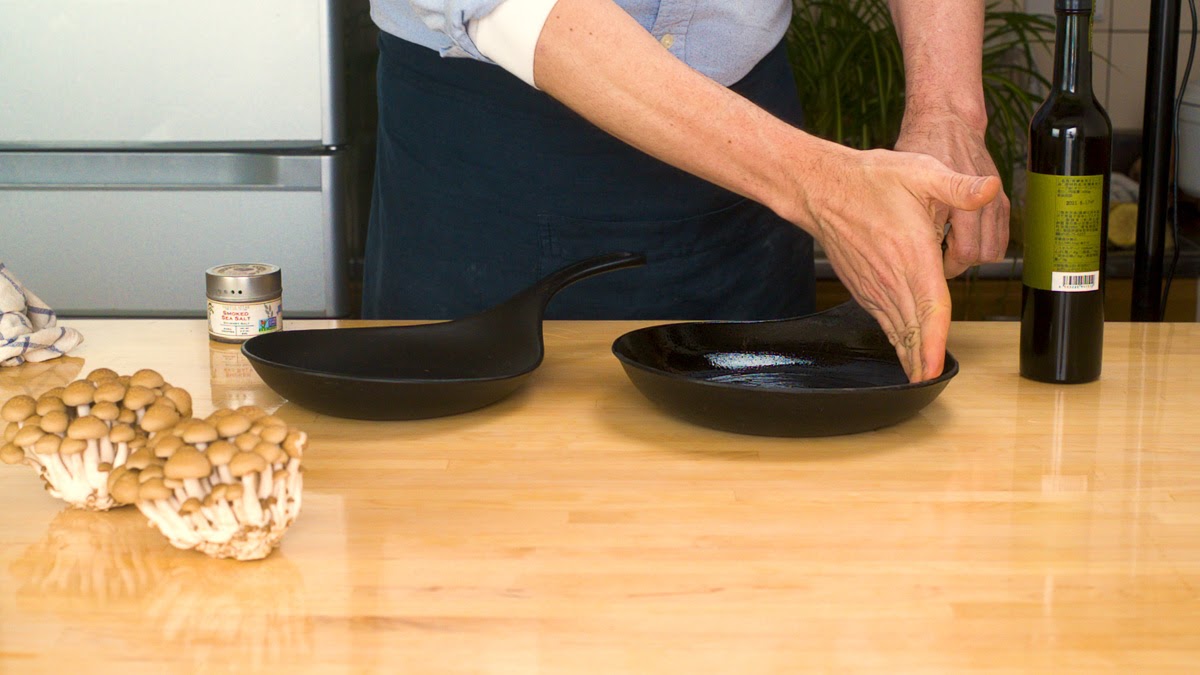
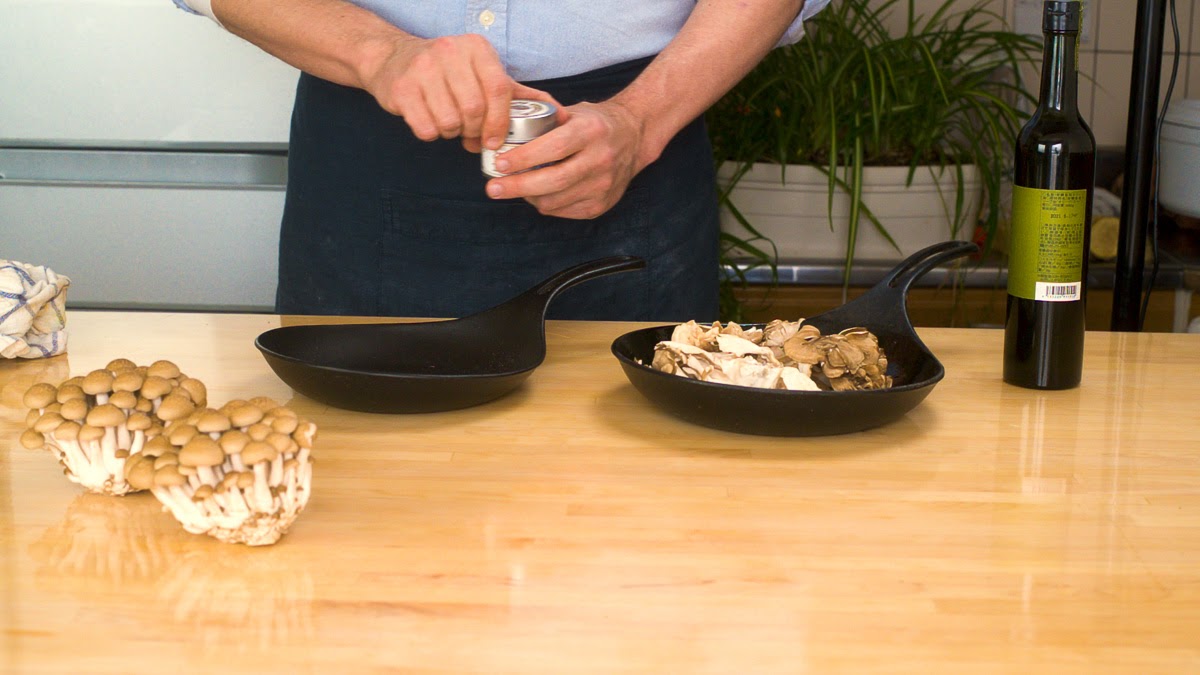
In a well oiled iron fry pan, layer your mushrooms.
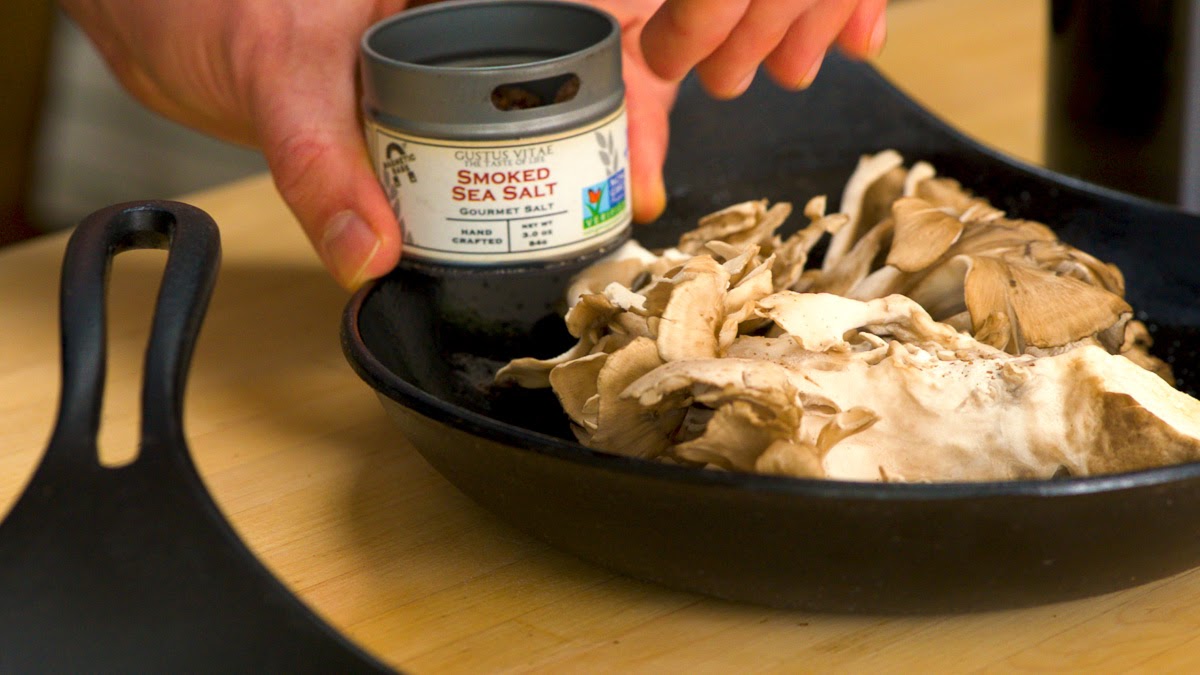
Salt to taste.
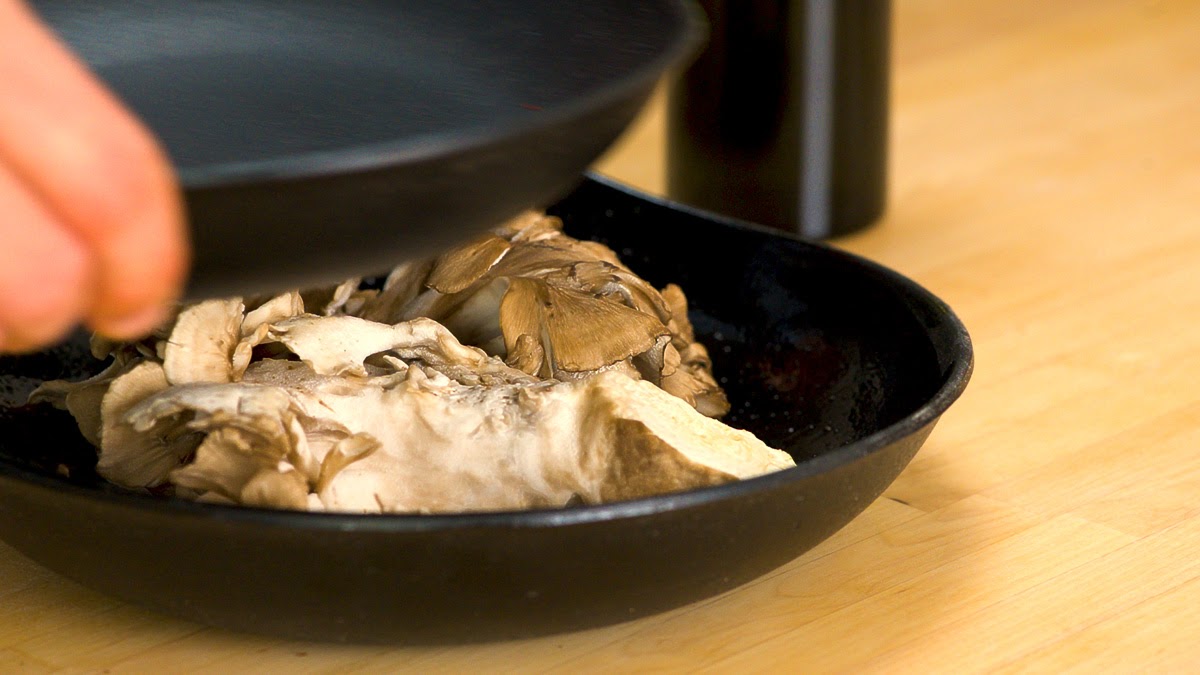
Cover them with something heavy (such as a smaller fry pan) and put them on high heat for five minutes and check. They will be fully cooked. Cook them to your desired color and texture.
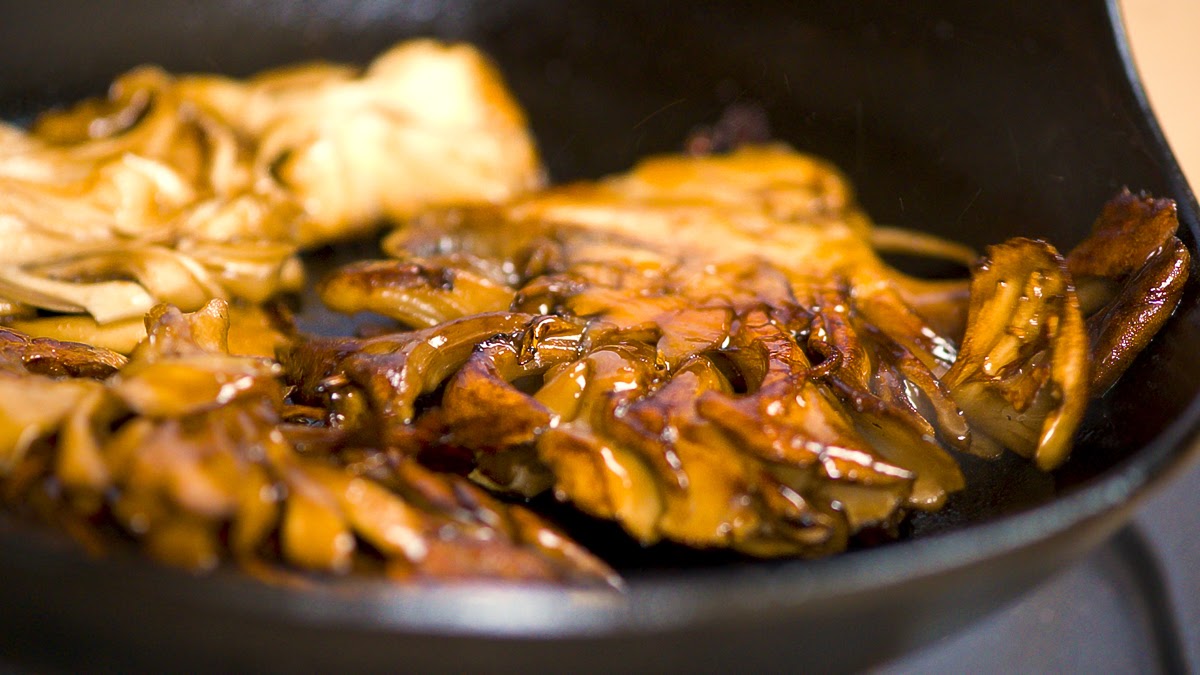
Flip the mushrooms and cook till they reach the color and texture you want
You want them to be a beautiful color.
Sweet Potato Filling
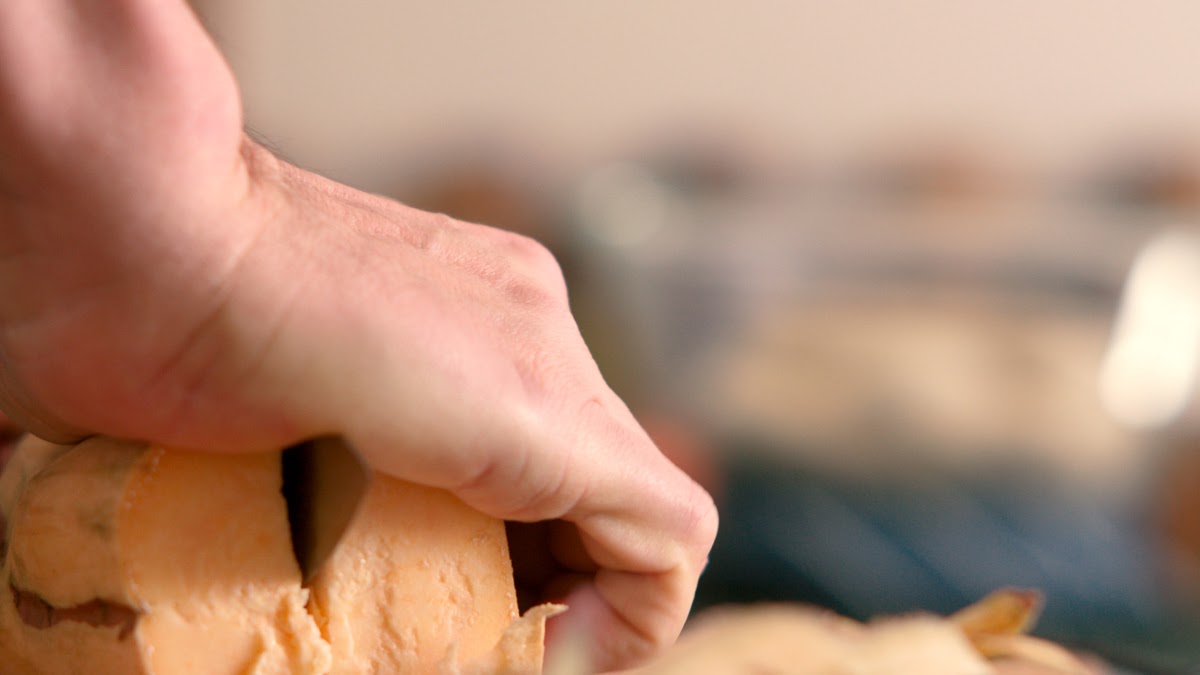
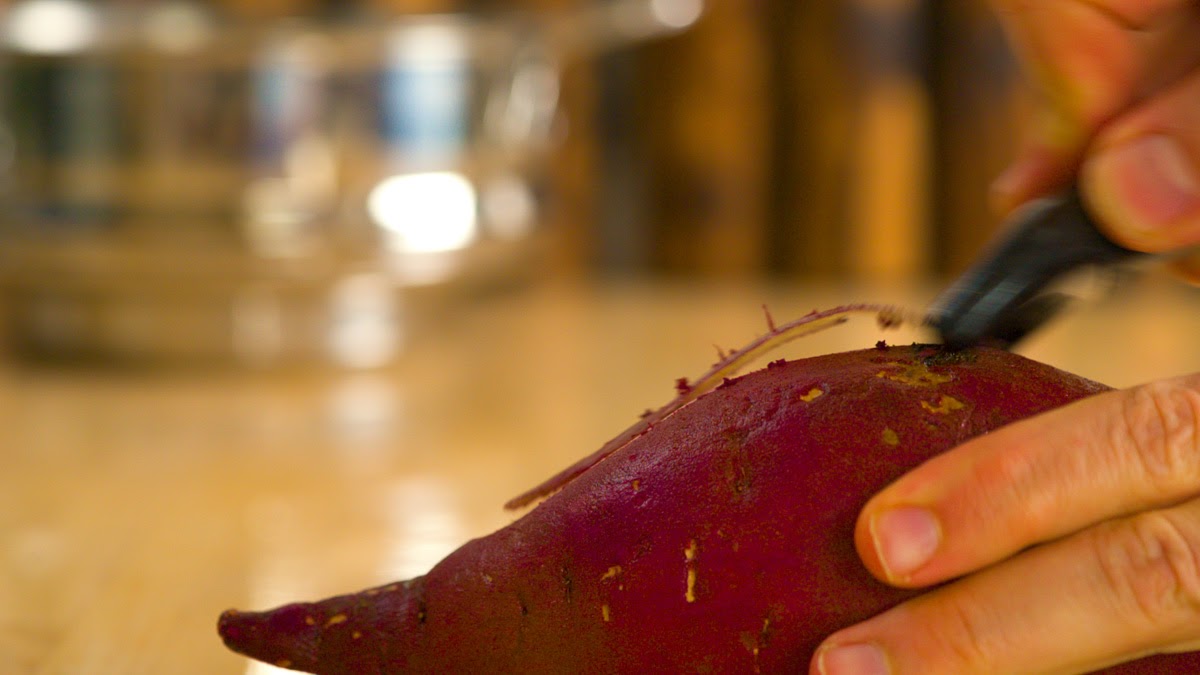
Sweet potatoes are delicious in savory dishes. A steamed sweet potato has more moisture and, in my experience, is easier to work with. But you can make a delicious filling with a baked sweet potato.
Ingredients
1 large sweet potato (about 400 -600 grams), steamed or roasted.
Salt to taste
(optional ingredients)
Up to ¼ butter or up to ¼ cream
½ tsp cumin or ½ tsp each thyme and tarragon
1 tsp lemon juice
Up to ¼ cup chopped walnuts
Directions
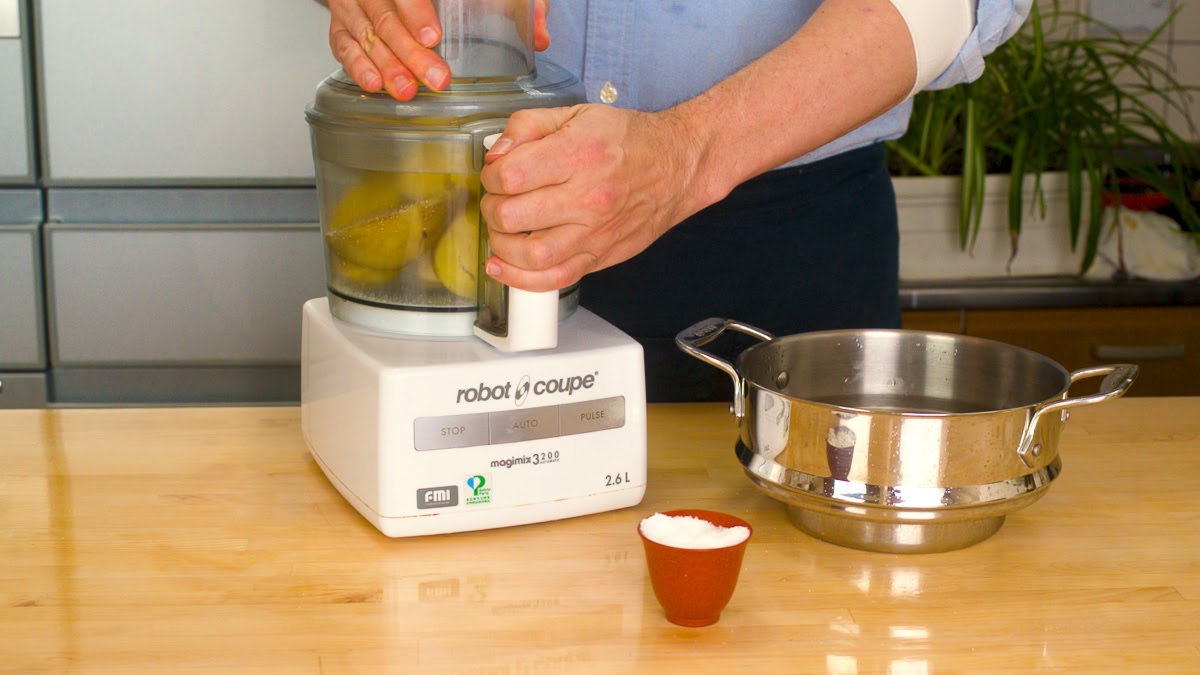
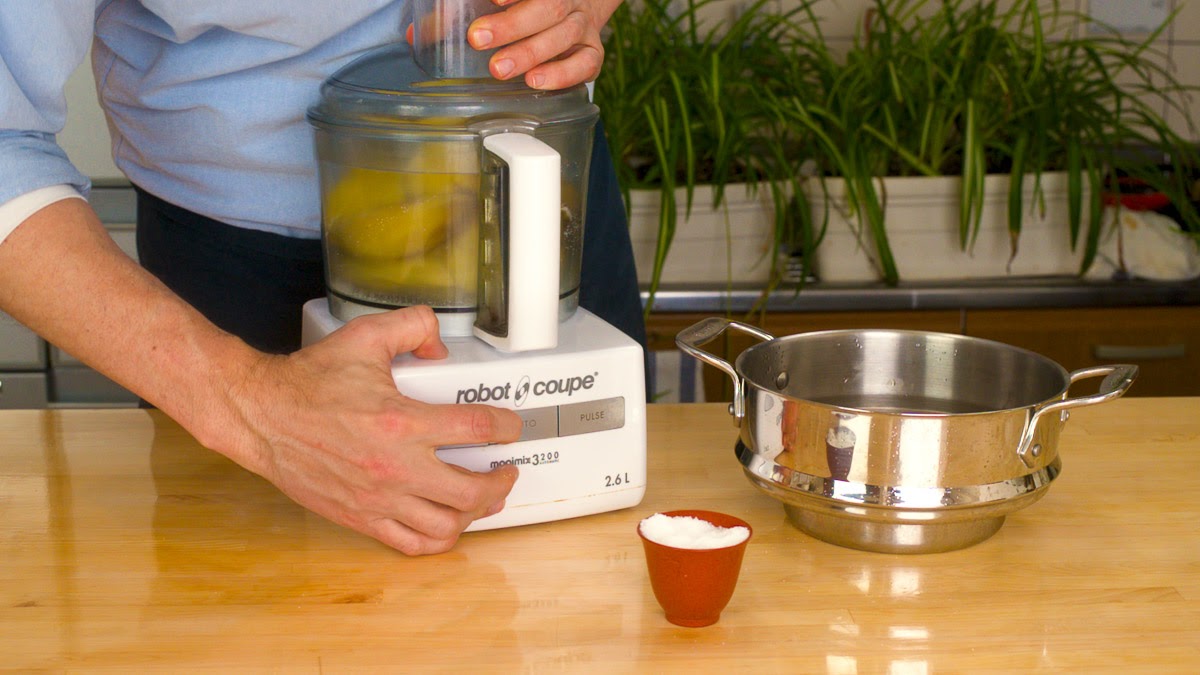
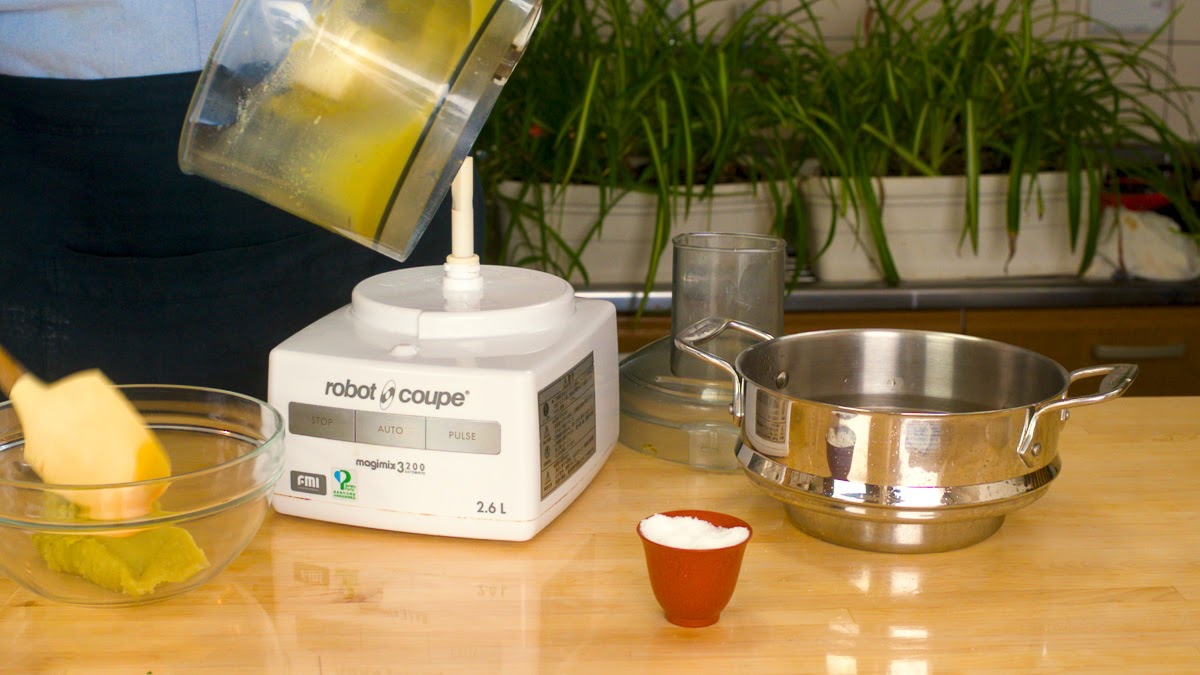
Puree the sweet potato in a food processor with the salt and any combination of options ingredients (except the walnuts) and process until smooth.
Mix in the optional walnuts, if using, after the sweet potatoes are pureed.
Layer the bottom of a tart shell
Layer on top of the shell grilled mushrooms and any other roasted vegetables you like.
Sweet Potatoes are excellent as a savory dish.
Winter Squash/Kabocha Puree
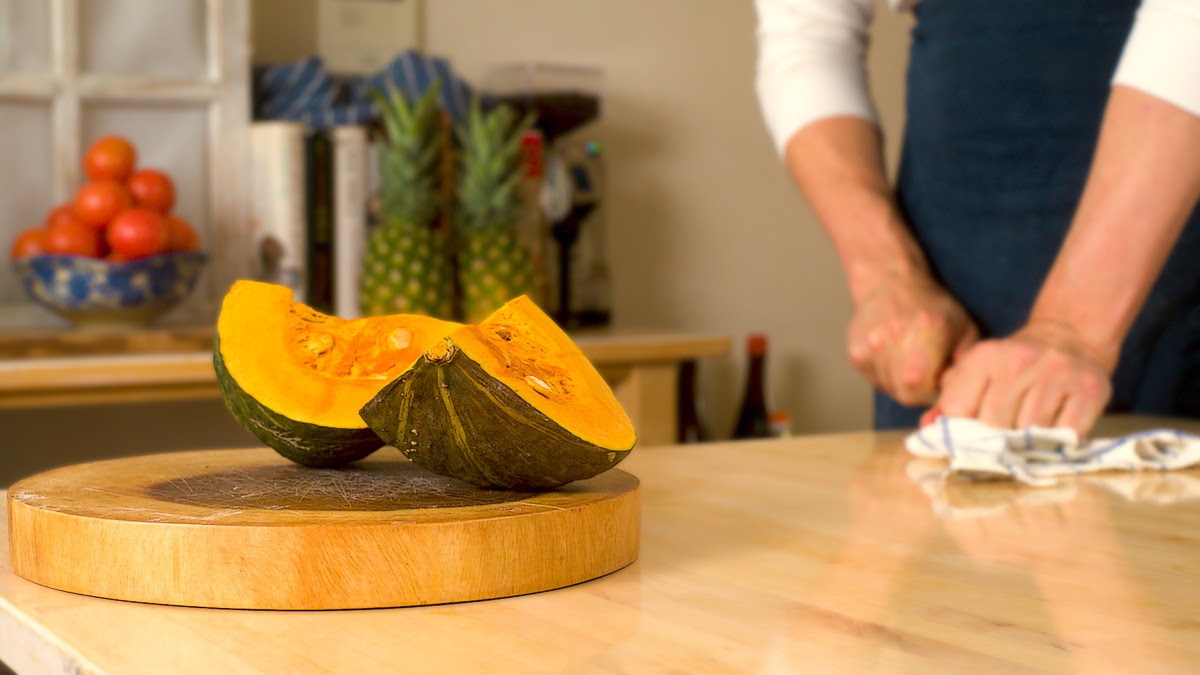
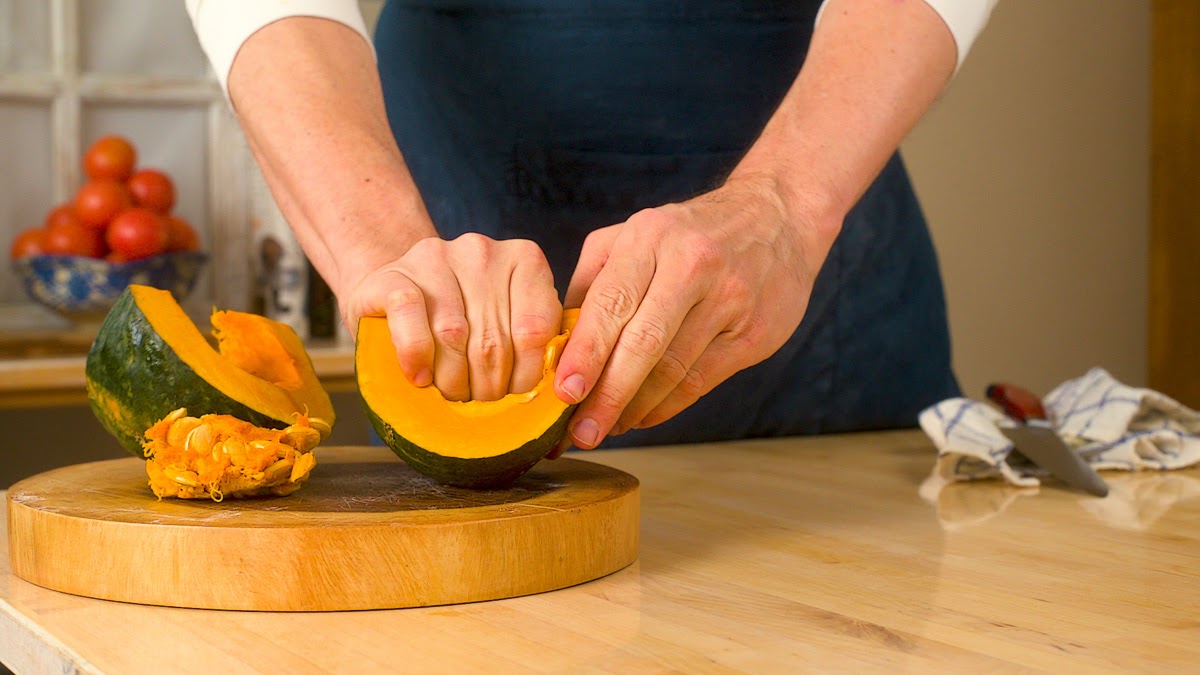
If you can not find Japanese squash in your markets, a pumpkin, butternut or other winter squash will do nicely.
400 – 600 grams of Winter Squash/Kabocha, steamed or roasted
Salt to taste
(Optional Ingredients)
Up to ¼ cup butter
¼-½ tsp chilie powder
roasted garlic (to taste) and ½ tsp thyme
1 tsp sherry vinegar
Up to ¼ cup walnuts
Directions
Puree your steamed or roasted squash with salt and whatever combination of the optional ingredients you like (except the walnuts).
Mix in the optional walnuts, if using, after the squash is pureed.
Layer in the bottom of a tart shell and layer with mushrooms and your favorite roasted vegetables.
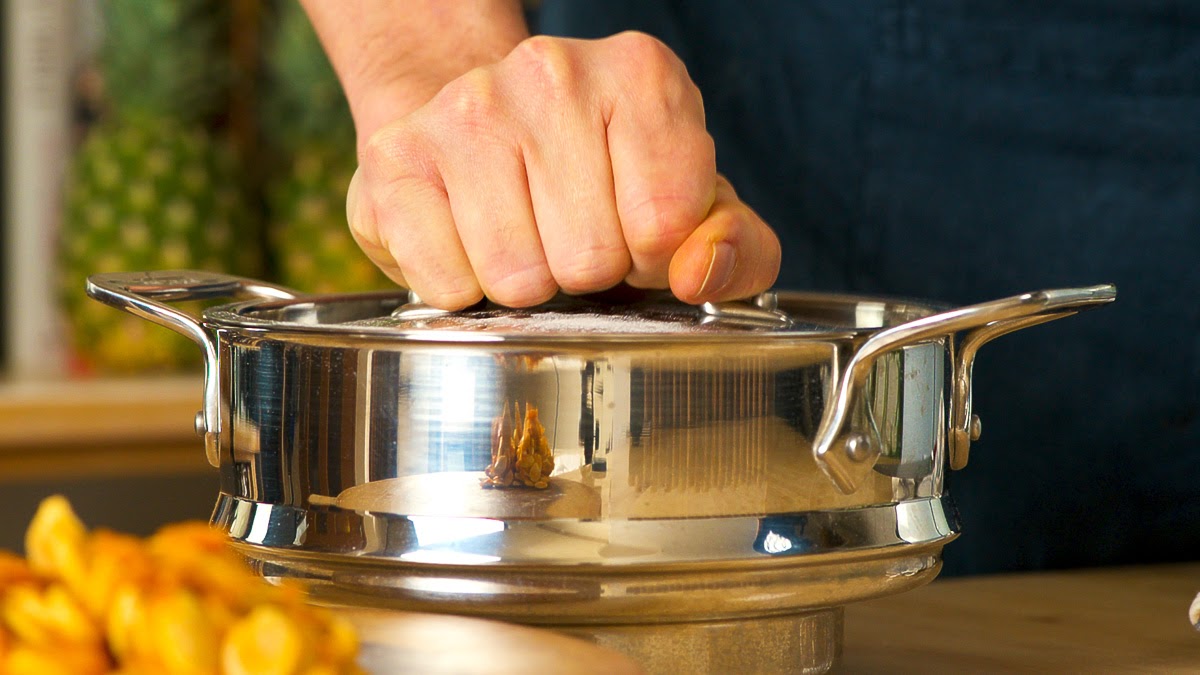
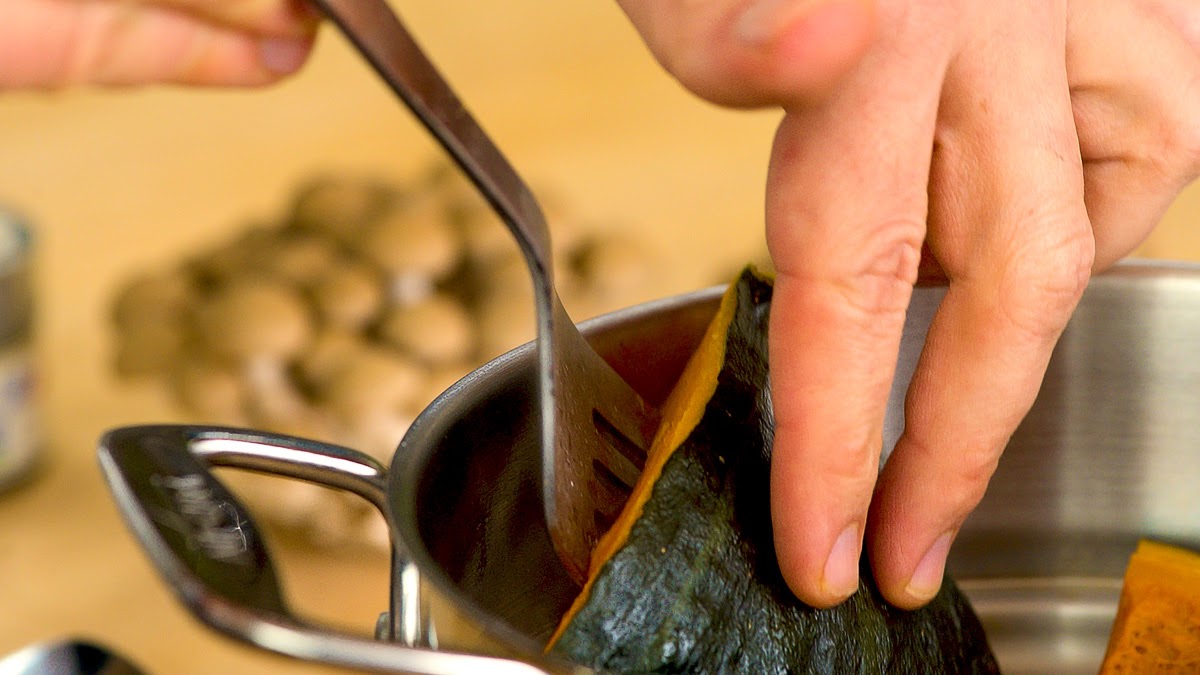
Steamed pumpkins have more moisture than roasted.
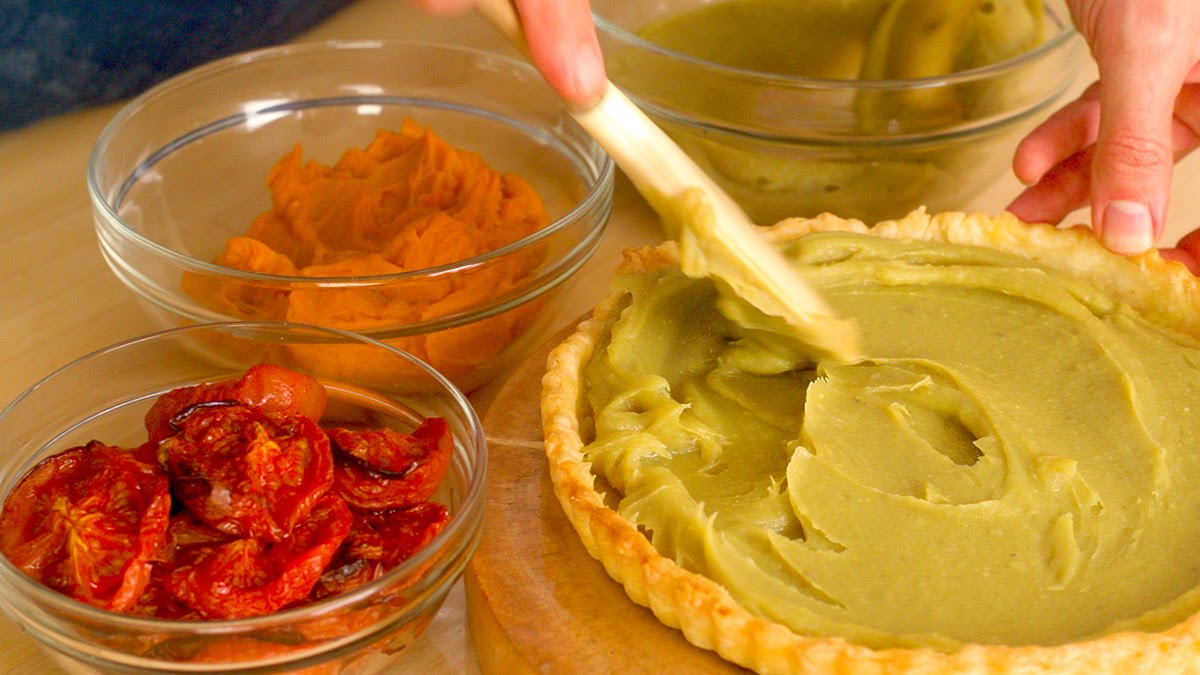
After you’ve made your fillings, simply spread one of your fillings into a tart shell and layer the mushrooms on top. I add lots of other roasted vegetables to make pleasing presentations.
People who comment or send me mail tell me I can improve my blog by talking more about my life. From their advice I have been adding bits and bytes. A part of my life story I never speak about is poverty: I grew up poor. After my parents divorced my mother and I were so poor we couldn’t afford a vacuum. My mother borrowed one every couple of months from her half-brother’s wife. (To clean the carpet we used the back side of tape.)
We were poorer than most because my mother was unable to work — why is another story — and so we depended on welfare, food stamps, and kindness.
Sometime in the 80’s the government started cutting the welfare and food stamp programs. I was used to not having much. Our furniture came from hand me downs, our TV a tiny, portable black and white. I only ever had a couple of pairs of pants and a few shirts. This was the baseline for my day to day — but I didn’t know how good I had been living until those cuts came into effect. One example should make my meaning clear.
I came home from school one day to my mother eating an onion sandwich: Two slices of day old bread, a slice of raw onion, French’s mustard. We had nothing else. I recall she smiled, said it was delicious and wished she had know — which sounded plausible through her souther drawl, but the sadness in her eyes gave up the lie.
I broke out of what I hear called a The Cycle of Poverty. I am aware that a lot of my choices are a reaction to having been poor. I have 37 pairs of shoes because I grew up having just one, poorly fit and used to the last — but I don’t waste money and never borrow.
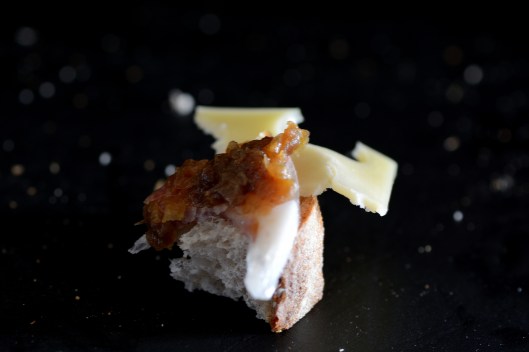
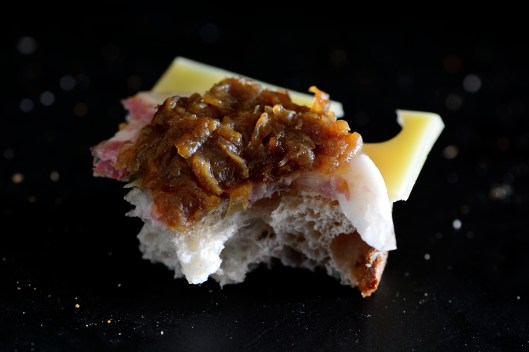
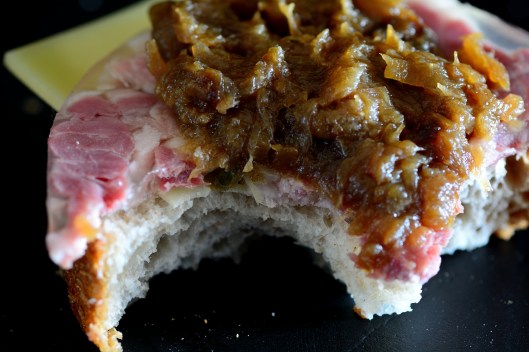
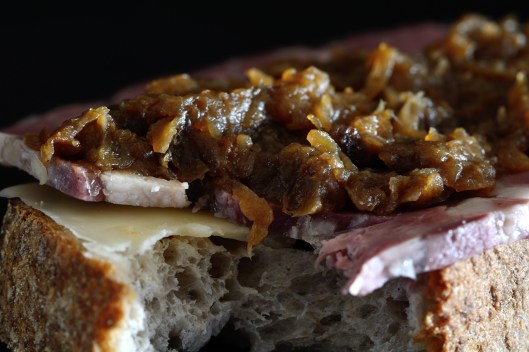
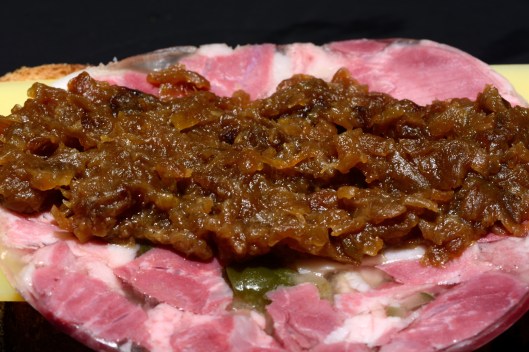
Although I rarely talk about it, I own up to where I came from. I know from experience that you can chose how to remember what’s passed. To a degree you can reshape a memory — or honor it to let it go. So I took the pungent onion and made it sweet; I crafted my own mustard to make it mine; I bought the very best bread and made an Onion Sandwich.
At least 2 pounds of brown onions sliced thin (I fill my 12 liter/quart stock pot which reduce to about 2 cups)
Up to 2 tablespoons of butter (you really don’t much, the water in the onions will prevent them from sticking for most of the cooking)
tier three (optional)
Up to 1 tablespoon sugar (near the very end to help caramelize the onions or further sweeten them, taste before adding sugar)
Up to 1/4 cup strong beef stock near the very end of cooking (to loosen the brown bits at the end of cooking)
Up to 1/4 cup water (to loosen the brown bits at the end of cooking)
Method: Put your butter or oil in a large pot. Peel your onions, remove the root end and cut in half lengthwise and slice thin. Add them to the pot with the butter. When you’ve finished all your onions put the pot on the stove and turn it on medium to melt the butter. Don’t stir the pot until it’s heated up, about 3 to 5 minutes. Stir the pot and make a decision:
If you’re going to be in the kitchen and want the dish to finish quickly turn the heat up to high and stir every five minutes or so. They’ll finish in about an hour, depending on the volume. If you want to relax, turn the heat to low and come back and stir the pot ever 20 to 30 minutes. Depending on the volume and heat, this method will take a minimum of three hours.
Your onions will go through three distinct phases:
Individual slices slowly becoming a mush with a lot of liquid, almost like a soup. This phase is the longest and requires the least amount of attention.
They will start sticking to the pot. Here you have stir more often, but there’s still a lot of liquid. At this point you’ll notice the start of a color change from translucent to light brown.
Finally they will brown during which you need to constantly move the onions in the the pot, scraping the brown bits off as much as you can. Those brown bits are flavor.
The temptation is to remove the onions when they start to stick. Don’t. Reduce the heat if you wan to but bring them to a dark brown. When they are near dark brown, this is where you would add sugar. When you can no longer scrap the bits off the bottom and sides of the pan then they are done. Remove them from the pan. You can also remove all but a tablespoon or two and add either 1/4 cup of water or strong beef stock to loosen the remaining brown bits of flavor at the bottom of the pan. I keep these separate from the caramelized onions to flavor other dishes.
3 kilos (8 pounds) reduced to about 2 cups caramelized onions. Notice the brown bits, at this point I can no longer scrape them off, so the onions are finished. At this point I add water or broth to get those bits of flavor stuck all over the pan — don’t waste all that flavor!
homemade mustard with canned green tomatoes served with my onion sandwich
Pastry is simple, but food stylists, paid professionals, and ideals on what pastry should be have set a high bar on personal expectations zapping creativity and confidence — and the will to try.
For any pastry, flour is mixed with fat and liquid. We add fat to the flour to cover the gluten. Just as water and oil do not mix, the fat coats the gluten, keeping the water away. Making less gluten results in tender crusts. Recipes that call for butter also include another fat. This is because butter is 20 water and that extra shorting, oil, lard is to make up for that water to achieve the golden ratio for pastry: 3, 2, 1
3, 2, 1: three parts flour, two parts fat, one part liquid
People who want to decrease calories often remove some — or all — fat; others add whole grains to improve the nutrition; others add milk, stock, or even vodka for one reason or another. This means you can change the flour, fat and liquid to meet your needs.
To make them flakey I roll individual sheets, stack them on each other layered with either butter, oil, cocoa, almond meal, powdered milk or even sugar. This provides flavor and helps the individual sheets remain separate, so when you you bite, the shell crumbles — or flakes.
This is the formula for standard French pastry.
Tier one (you must use) 2 cups All-Purpose flour (you will add flour throughout the rolling, so precision through grams is unnecessary) 168 grams or 6 oz (unsalted) butter as cold as possible 56 grams, 4 tablespoons shorteing or lard as cold as possible. Ice water Up to 1/4 teaspoon salt
Tier three(optional) Cinnamon or other sweet spices (for sweet crust) Fine herbs (for savory crust) Up to 1 teaspoon Vinegar (to weaken gluten) Up to 1 tablespoon sugar (to brown the crust) Up to 1/4 baking soda (to brown crust, works with sugar)
Method:
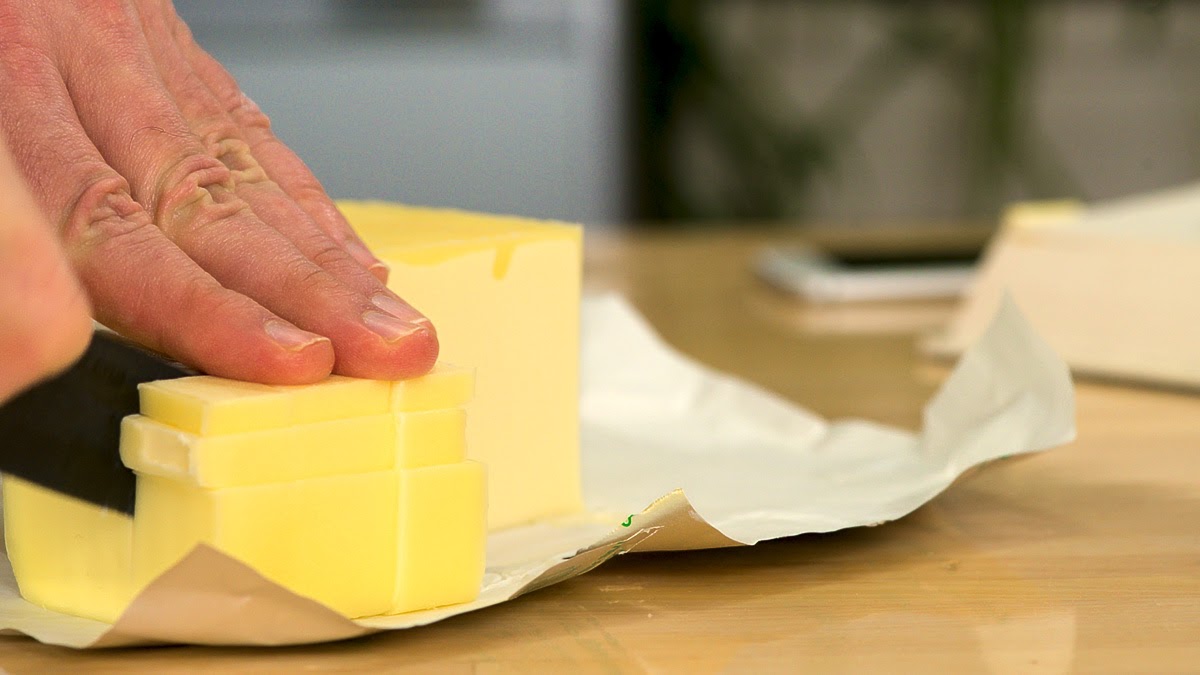
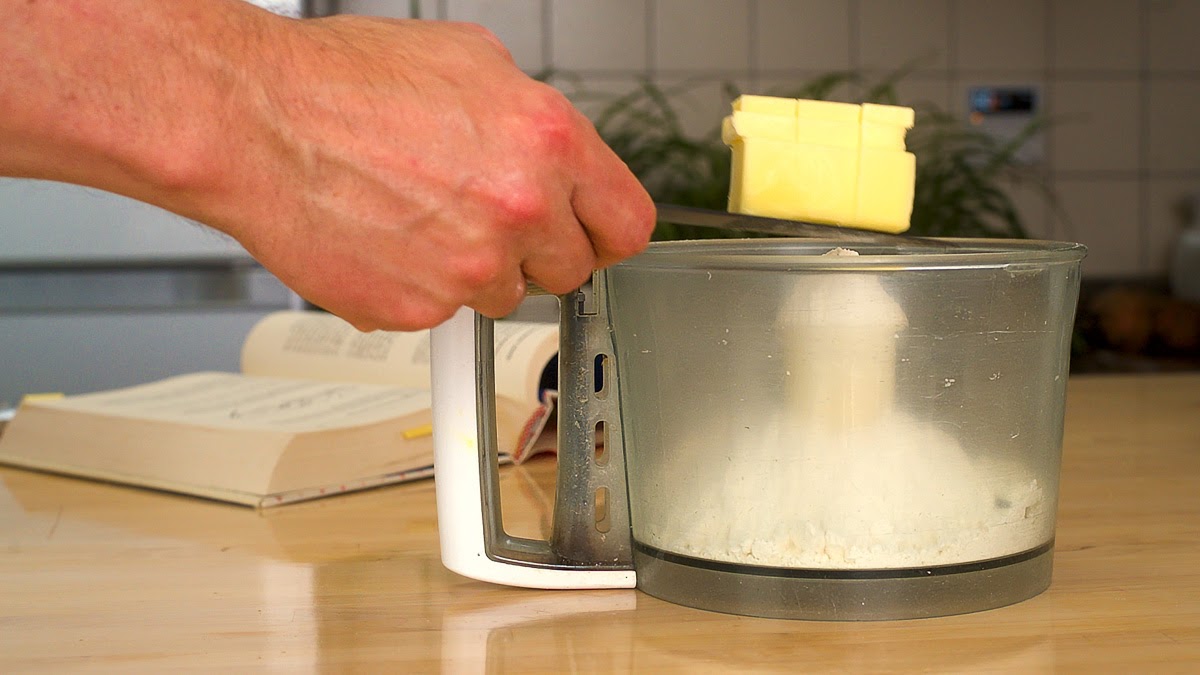
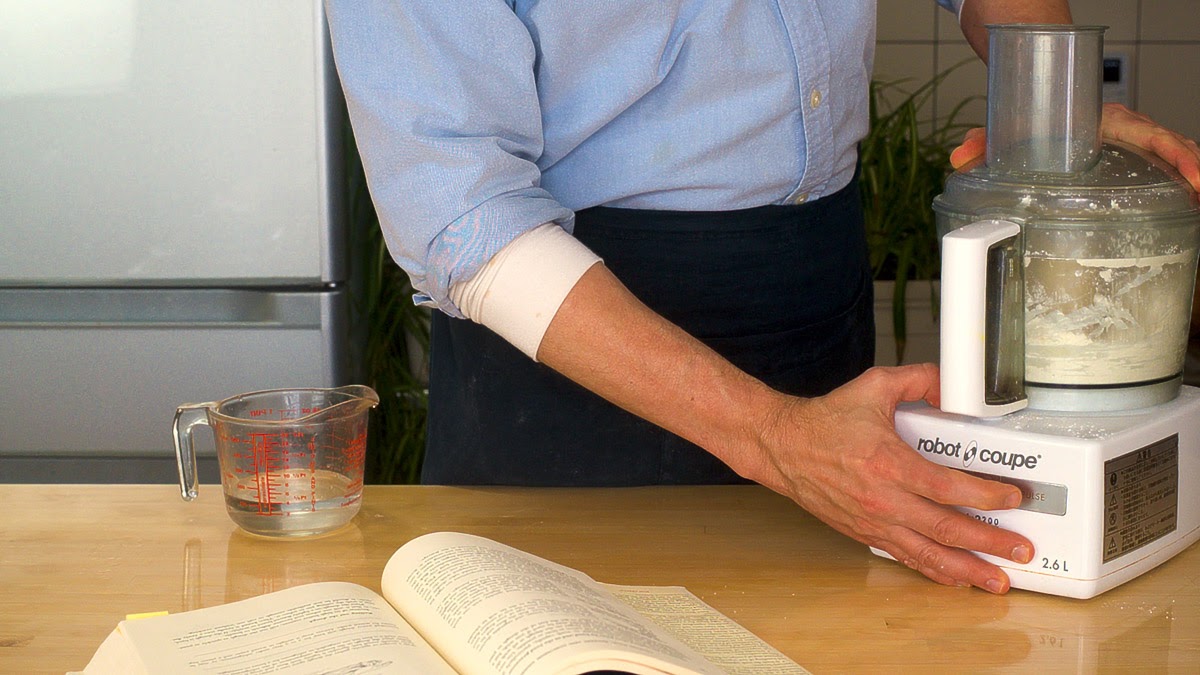
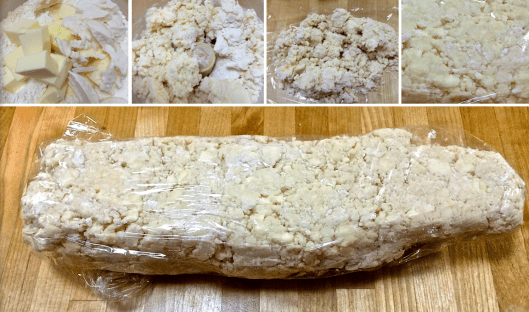
Cut the butter into chunks. Put the flour, salt, butter and shortning in a food processor with the S-Blade (pic 1 below) and pulse three times, which feels too short, but only three times. Turn on the machine and add all the water and vinegar all at once. In seconds it will form a ball, or otherwise clump together (pic 2). Stop the machine. To harden the fat and allow the dough to absorb the water, quickly place the dough in a plastic bag (pic 3) and put in the refridgerator for at least an hour or over night — you do not need to handle the dough (pic 4).
It looks horrible, but notice all the chunks of butter. Even when you make it in a bowl with a pastry cutter or the tines of a fork, your butter must be in little chunks.
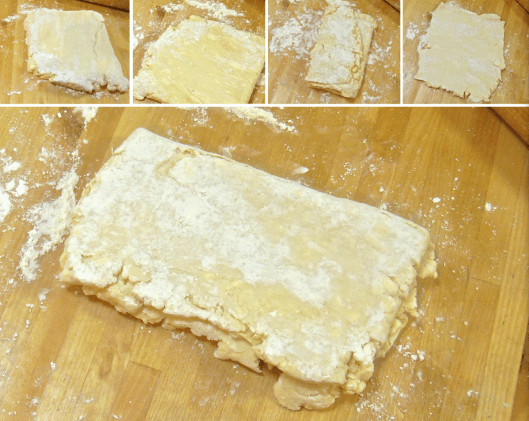
Take the dough out of the refrigerator and press it into a rectangular shape through the bag (pic 5 above). Put the contents on a floured surface (pic one below). Sprinkle flour on it and gently roll it out (pic 2). Sprinkle a little flour on it and fold it in half (pic 3). Sprinkle more flour and fold it into a quarter (pic 4). Put it back in the plastic bag and refrigerate for at least a half an hour.
As you work with the dough gently push the edges in to form a rectangular shape. It will not form a rectangle until the very last step.
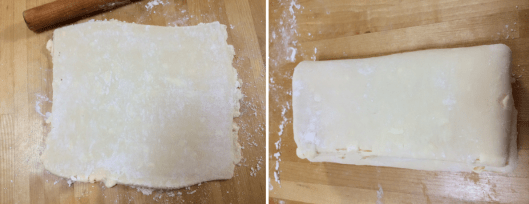
Roll the dough into a rectangular shape (pic one below). Sprinkle flour and fold it into thirds, like a letter (pic 2 and 3). Roll again into a rectangular shape (pic 4). Sprinkle flour on it, fold it into thirds again and put it back in the refrigerator for at least half an hour.
Look carefully and you can still see pieces of butter. Notice that the edges are misshapen. Each time you roll, gently press the edges in.
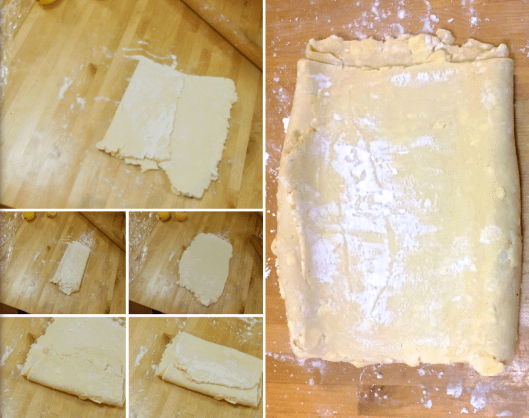
Take out the dough and roll it into a rectangular shape and apply a very light dusting of flour then fold it into thirds (pics 1 and 2). Roll it out again and fold it into thirds. Apply just a little flour fold it into thirds and put it in the refrigerator for half an hour.
Notice the little bits of butter in the dough. That’s perfect. The edges are still ragged. The dough now feels like dough.
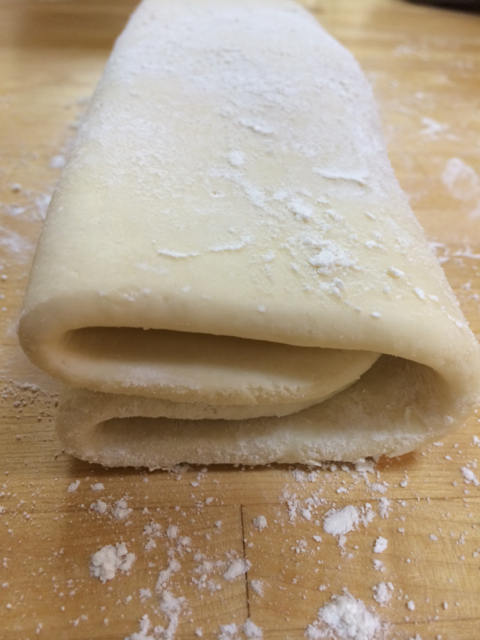
Take it out of the refrigerator. Roll it out one last time and fold it into thirds. Congratulations, you’ve made pastry. Cut it in half and freeze or refrigerate it. The next time you roll it out you can make a pie, a tart, a quiche.
Tighten up the edges with your hand to form a rectangle then fold those imperfect edges (to the left and right) over into thirds. You’re done. You can cut it into two pieces and freeze or refrigerate until you need them. And, once again, notice that you can still see tiny flecks and pieces of butter.
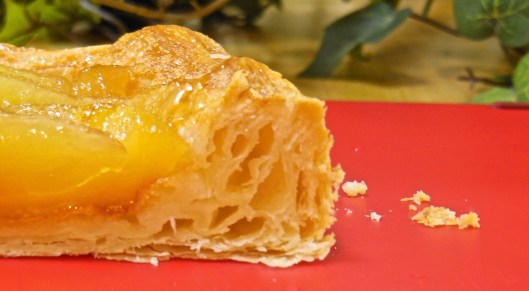
Each time you fold cold dough, you create laters of fat. When that fat melts and the steam escapes it creates a flakey crust.
The principle is the same for any dough with hard fat. Each time you dust with flour, fold the dough into thirds and roll it out, you crate layers. As long as the dough is cold the fat stays sold and separate creating a micro layer of fat. However, it if gets warm, the fat melts into the flour. The dough is still good to eat, but it’s no longer flakey. Look carefully at this finished crust. The holes are from those small, thin layers of cold butter.
In the next post we’ll roll the dough into pie, tarts, and something very special.


















 made by you and I